
Why Your Towel Rail Should Feel Like Spring
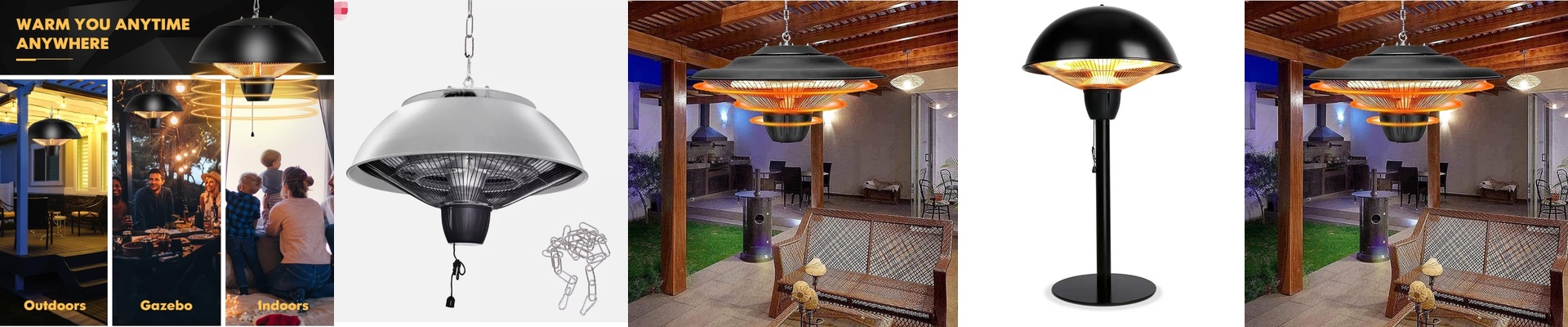
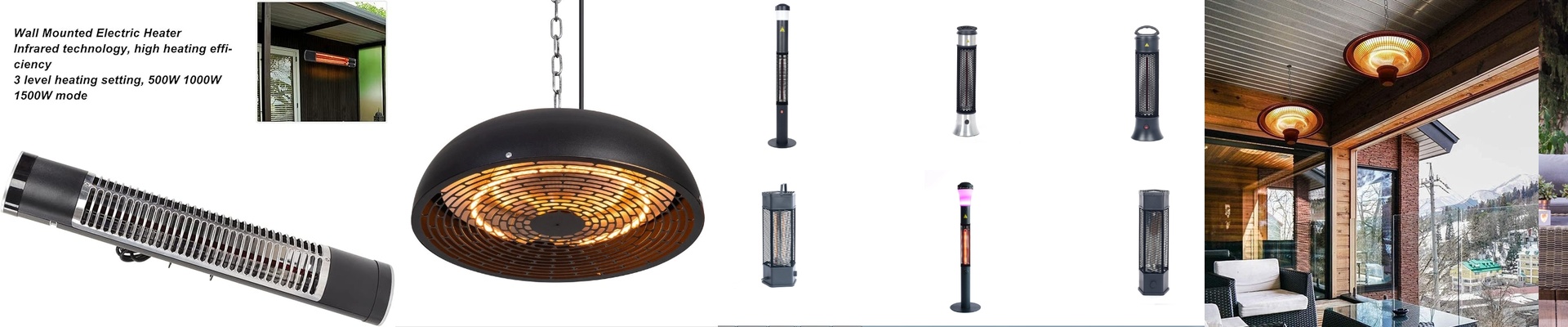
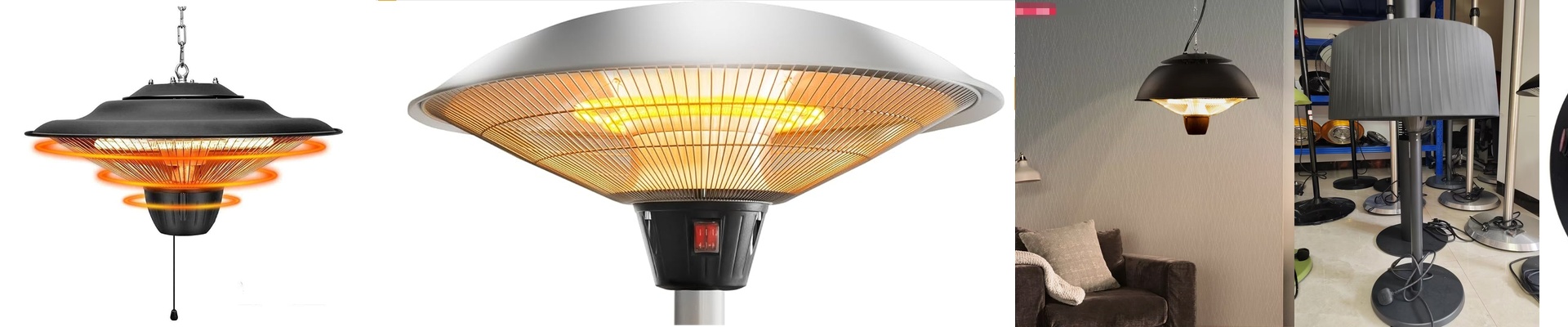
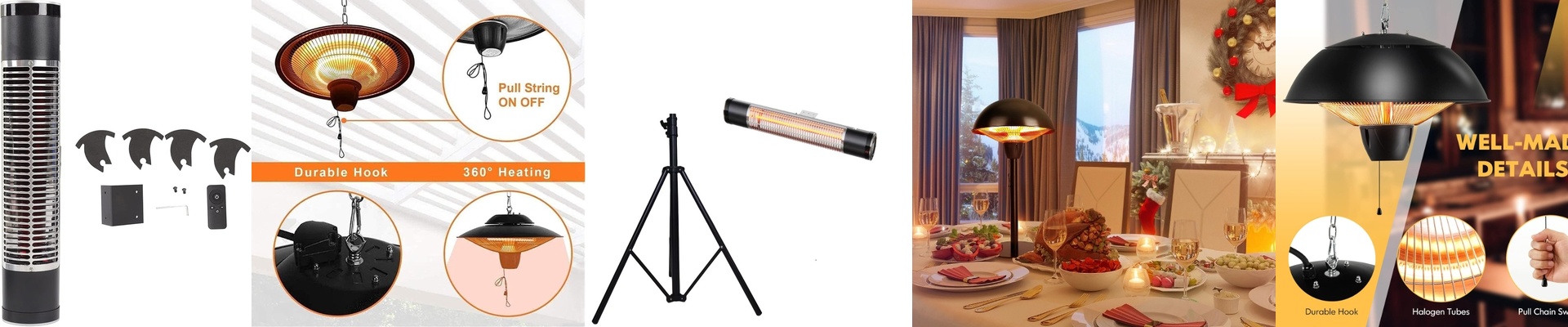
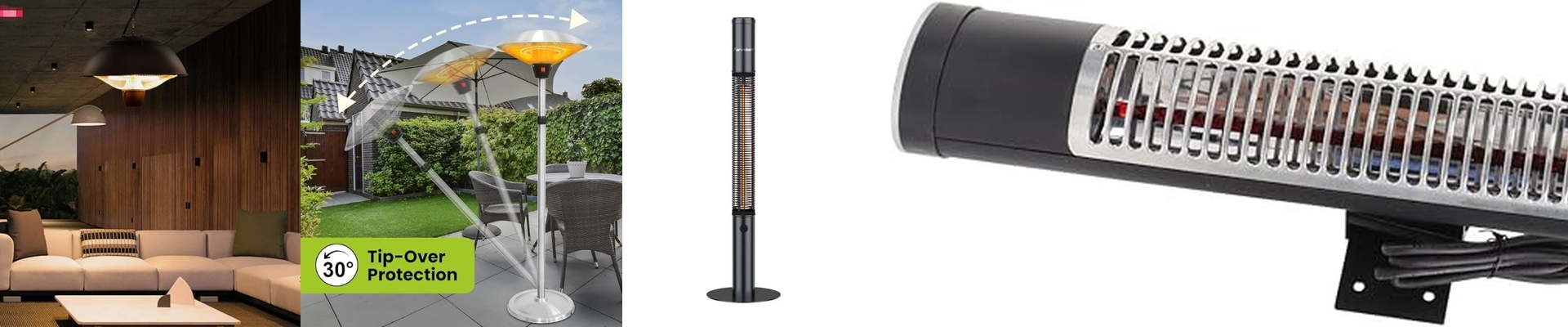
Most towel rails are honestly a bit disappointing. You turn them on, wait forever for the fluid to circulate or the metal to warm up, and by the time you’re out of the shower, it’s still barely lukewarm. We decided to do things differently. Instead of heating the air around the towel, we use short-wave infrared (IR) emitters. Think of it like the sun hitting your skin on a clear day. The energy goes straight into the fabric and your skin. The second it kicks in, you feel that instant, cozy warmth. No waiting.
Making it “Smart” (Without the Headache)
Connecting this to your home setup isn’t as simple as slapping on a Wi-Fi switch. To make it actually work, we wire the IR elements through a dedicated relay that talks to your hub using Zigbee or Matter. Here’s how it feels in real life: you tap a button on your phone, the relay clicks shut, and the lamp hits full power immediately. But a word of caution on the hardware. If you pair a high-wattage IR tube with a cheap, flimsy relay, you’re going to fry your controller. That’s why we stick with solid-state relays (SSRs). They handle the constant on-and-off switching without wearing out like mechanical parts do.
The Trade-off
IR heating packs a massive punch in a tiny space. Because the photons penetrate the fibers, your towels dry way faster. But there’s a catch. These emitters gethot. Like, really hot. If you mount the rail too flush against a wall with sensitive paint, you might end up with a scorched spot. To avoid that, just make sure your mounting brackets leave enough room for a bit of airflow. It’s a small detail, but it saves you a trip to the hardware store for more paint.
Setting it Up
We wanted this to be a “one-click” kind of experience. You set your schedule or temperature thresholds, and the system does the rest. When the sensor notices the bathroom is getting chilly—or when you tell it to start—the IR element fires. You skip that annoying warm-up phase you get with old-school boilers. Just one last thing: check your electrical panel. When multiple IR zones kick in at the same time, there’s a sudden spike in power draw. You’ll want to make sure your wiring can handle the surge so you don’t trip a breaker right as you’re stepping out of the shower.