
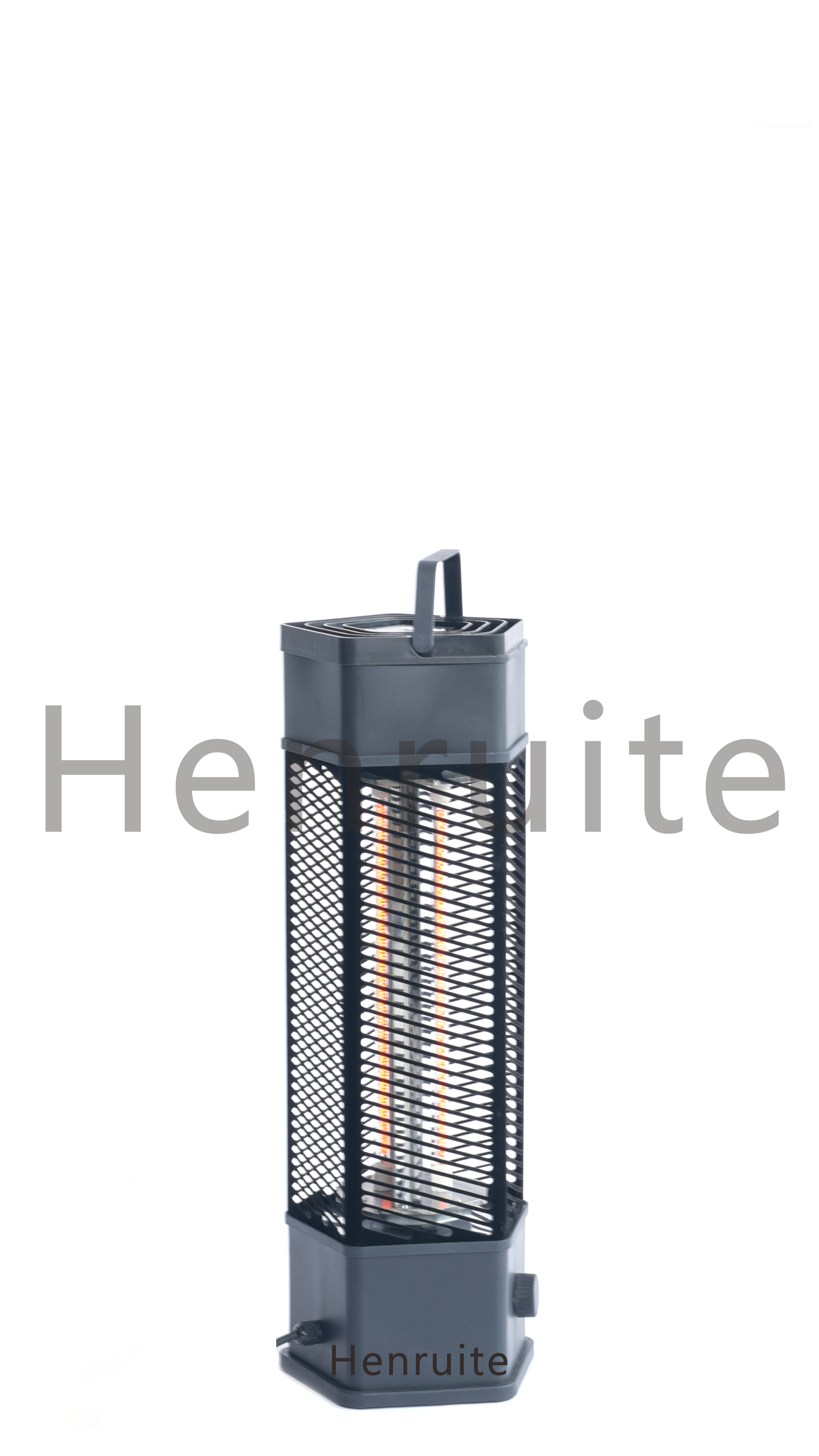
Keeping Your Bathroom IR Heaters from Shorting Out
Putting infrared lamps in a bathroom is a different beast. You’re dealing with steam and humidity that just loves to find a way into your electronics. If water vapor gets into a standard housing, it creates a bridge for electricity to travel where it shouldn’t. That’s how you end up with a short circuit or a ground fault. To keep things safe, we focus on three main areas. Sealing the gaps Most units fail at the connection point. It’s just where the steam finds a way in. We use high-grade quartz glass and specific end-cap seals to keep moisture out of the filament chamber. But the real secret is in the housing. We stick with IP65-rated enclosures and silicone gaskets on the terminals. This stops steam from jumping the gap between the live terminal and the chassis. Just make sure your housing is designed so condensation doesn’t pool around your wiring. That’s a recipe for disaster. Dealing with leakage In a bathroom, you can’t afford a “close enough” approach. We hard-wire the grounding system so the chassis is tied directly to the building’s earth. We also run a megohmmeter to check for leakage current. You want that insulation resistance to stay above 10MΩ. If the wiring is messy, your RCD is going to trip constantly, and that’s a headache nobody wants. A pro tip? Use adhesive-lined heat-shrink tubing on all your solder joints. It keeps the copper bone-dry. The heat struggle Here’s the tricky part: high-wattage lamps get incredibly hot. That heat eats rubber seals for breakfast. To stop the gaskets from getting brittle and cracking, we use fluorosilicone or Viton. They can handle the constant heating and cooling without giving up. But wait—there’s a trade-off. The tighter you seal everything to keep water out, the harder it is for heat to escape. You have to find that sweet spot between a waterproof rating and enough airflow so your driver doesn’t fry itself. We usually use a one-way drip loop for venting. It’s a simple trick that stops water from literally sliding down the cable and straight into the lamp socket.