
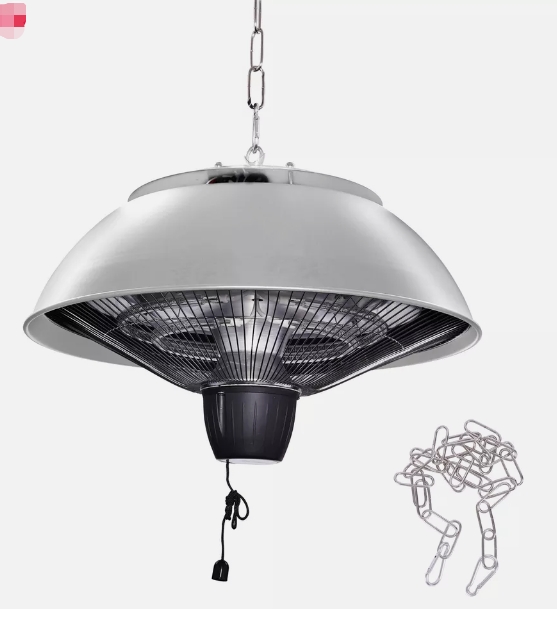
Keeping Bathrooms Warm Without Blinding Everyone
When we build IP65 infrared heaters for bathrooms, we’re fighting a two-front war. First, you’ve got the steam and splashes that want to kill your electronics. But there’s a second, quieter problem: the light. Nobody wants to step out of a shower and feel like they’re staring into a landing strip. It’s especially worrying when you’re warming up a baby; their eyes are way more sensitive than ours, and a harsh glare just isn’t okay. The trick to soft light Most standard infrared lamps are blinding. To fix that, we don’t just “dim” them—we change how the light behaves. We use special quartz coatings or filters that shift the spectrum. Basically, we block out that aggressive, bright white light and lean into the medium and long-wave bands. You still get that instant, cozy heat that hits your skin immediately, but the glow is soft. It’s easy on the eyes. Dealing with the damp Hitting an IP65 rating takes more than just slapping a rubber ring around the edge. Steam is sneaky; it gets everywhere. We seal the electrical junctions and the lamp housing tight. We use high-temperature silicone because it can handle the constant “stretch and shrink” as the heater warms up and cools down. If that seal cracks, moisture hits the live wires, and your heater becomes a very expensive paperweight. The trade-off Here’s the honest part: when you filter the light to protect your eyes, you lose a bit of that raw “punch” you get from a clear lamp. It’s slightly less efficient. To make up for it, we either make the heating element larger or bump up the wattage. Just a heads-up: if you go with a higher-wattage unit, make sure your bathroom’s wiring can actually handle the load. And please, for the love of everything, wire it to a dedicated GFCI circuit. Since you’re dealing with water and electricity in the same room, it’s the only way to do it safely.