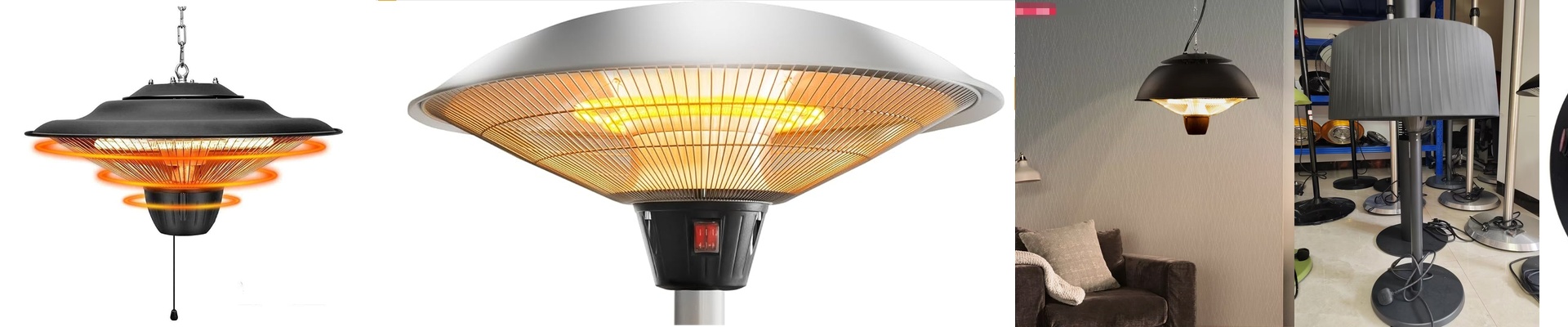
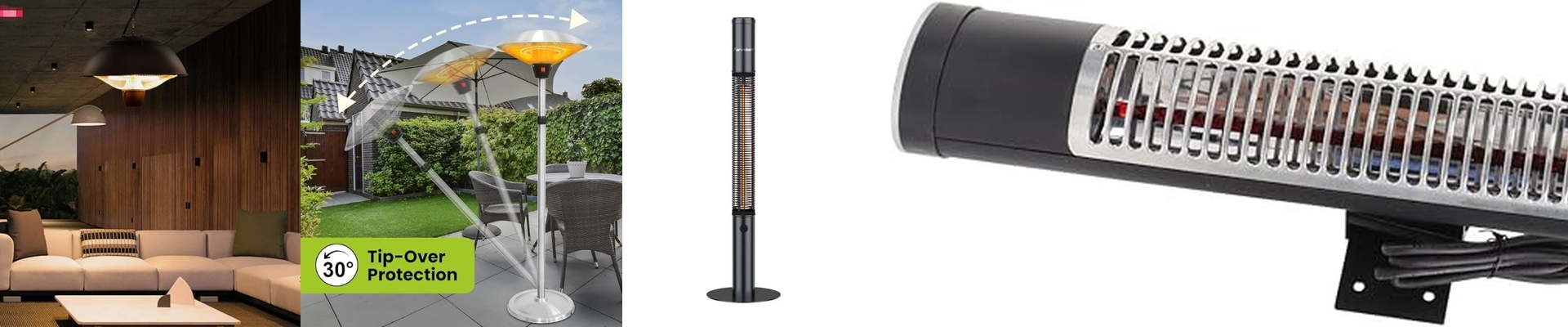
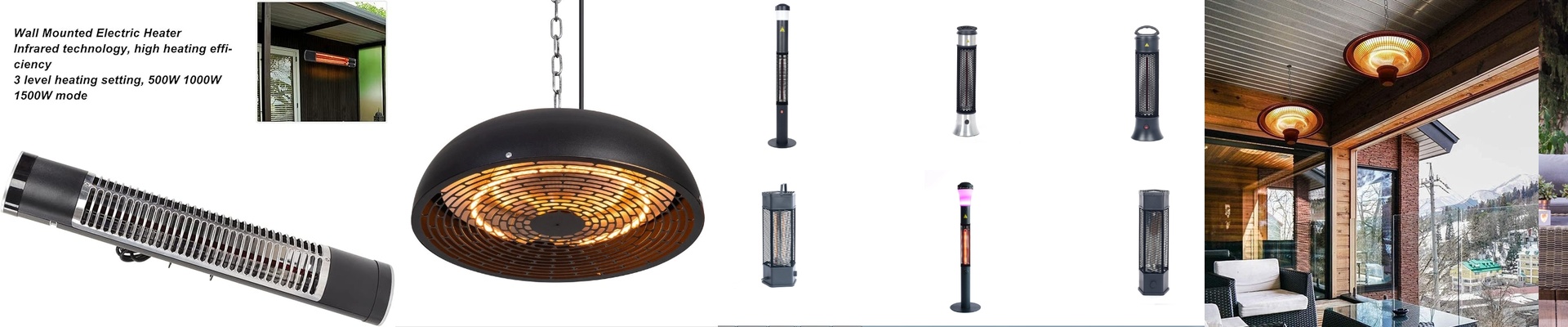
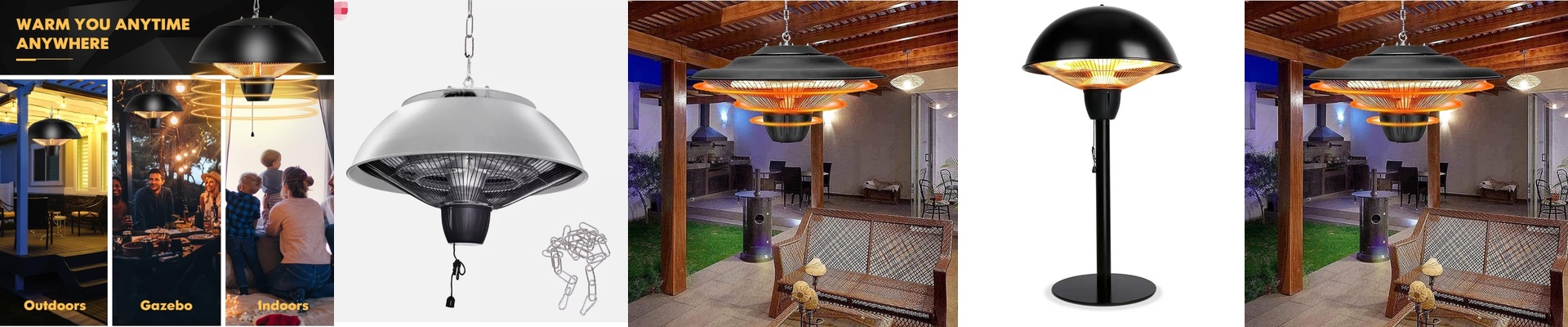

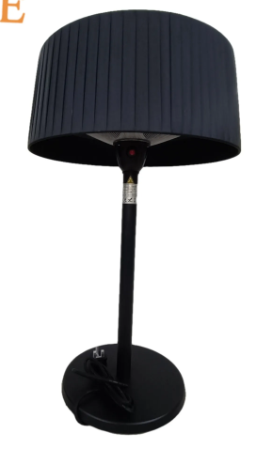
Look, putting a 1500W infrared heater in a bathroom or a gazebo isn’t as simple as just slapping on a waterproof cover. You’re pushing a lot of power into a space where steam and moisture love to hang out. If your insulation isn’t spot on, you’re looking at short circuits or ground faults. Not a great way to start your morning. Keeping the electricity where it belongs Standard plastic housings just don’t cut it here. To make sure everything stays insulated, we use high-grade ceramic and reinforced glass tubes to keep the heating element far away from the chassis. Here’s the thing: 1500W gets hot. Really hot. Cheap seals will warp and crack after a few uses. That’s why we use silicone or EPDM gaskets. They handle the heat cycles without budging, which keeps the moisture from sneaking into your wiring terminals. Safety and the “Drip” If you’re mounting this on the ceiling, you absolutely need a dedicated earth ground. We go with a double-insulated design. That way, even if a wire frays inside, the outer casing stays safe to touch. For bathrooms, you’ll want an IP44 rating or better. Basically, it means the unit can handle splashes and keep dust out. And please, don’t forget the drip loop in your wiring. Without it, condensation just slides right down the wire and straight into your junction box. The battle between heat and humidity Infrared lamps are great because the heat is instant. But that quick jump in temperature creates a bit of a headache: the dew point. When you flip the switch off, the metal parts cool down faster than the humid air around them. This leads to internal condensation. To stop things from rusting out, we use corrosion-resistant plating on the reflectors and terminals. Just a heads up—even with all this insulation, don’t mount it right next to the showerhead. Too much direct spray will wear down those outer seals way faster than they should.