Making Your Ceiling Heaters Actually Smart
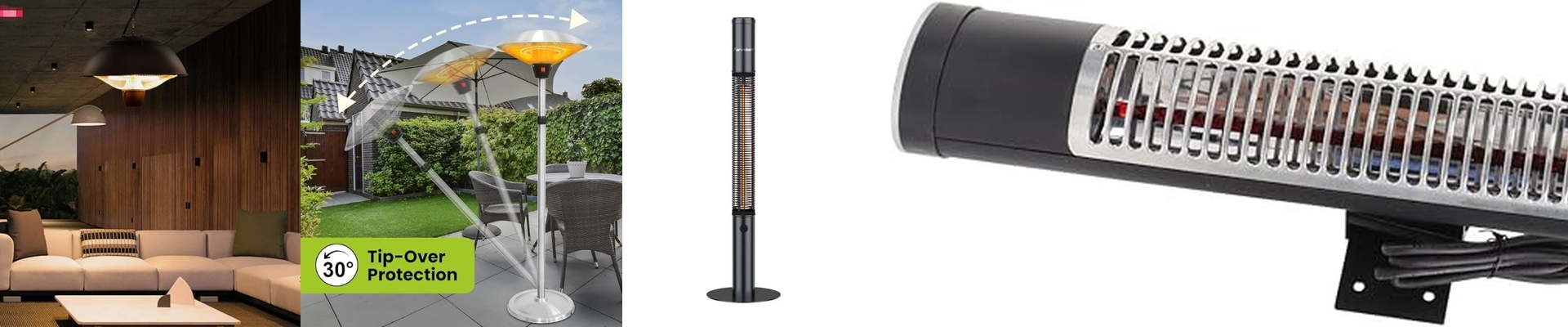
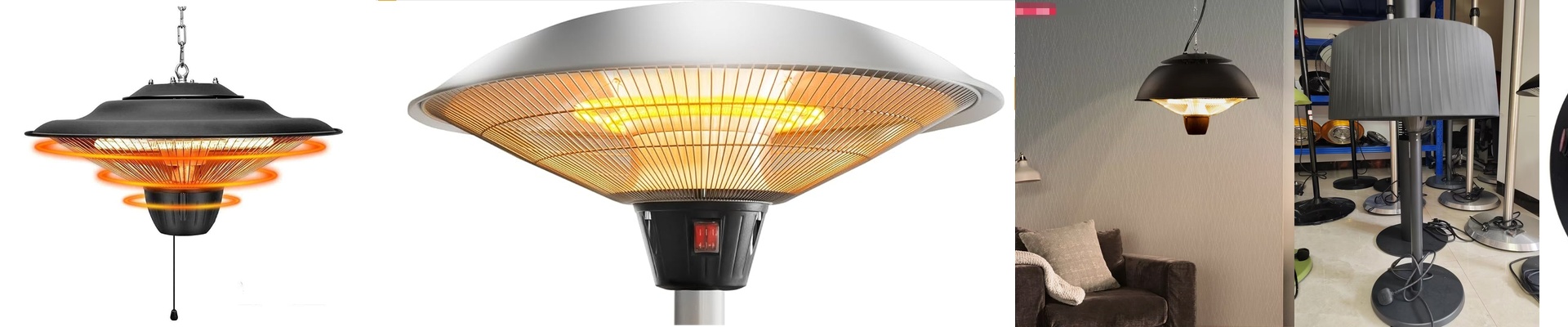
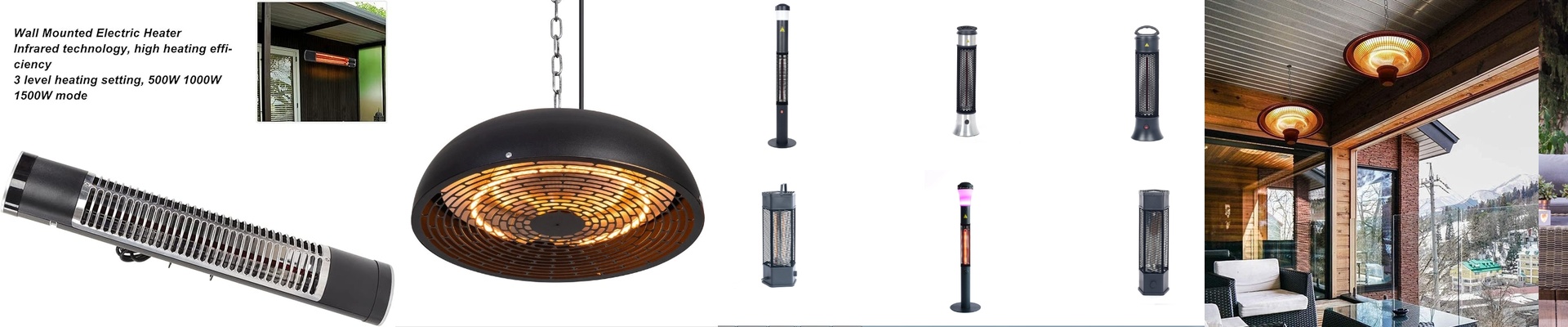
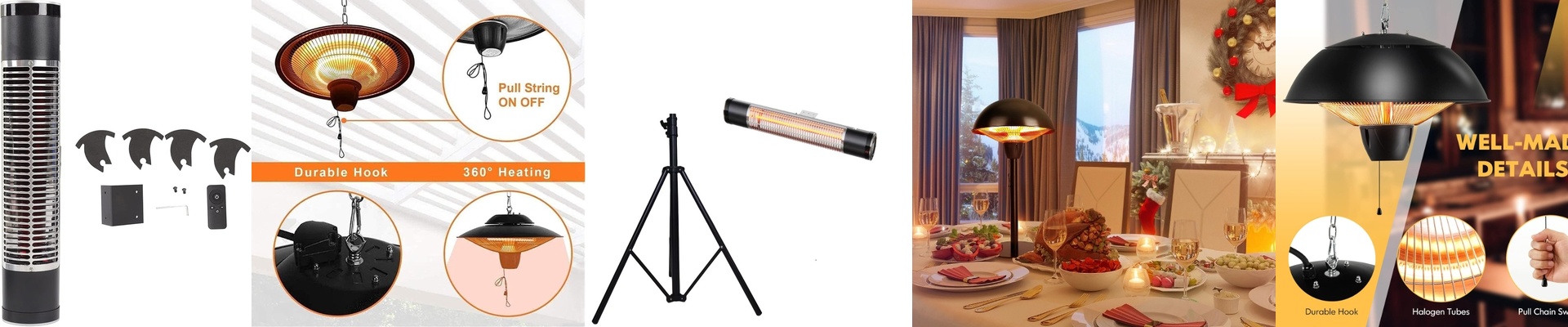
Let’s be honest: walking into a freezing workshop on a Monday morning is the worst. You usually have to flip a bunch of switches and then wait forever for the air to warm up. But infrared heaters are different. They don’t bother heating the air—which just floats up to the ceiling anyway. Instead, they beam heat straight down to you. It’s like stepping into a patch of sunlight. When you hook these up to a smart system, you stop messing with switches and start using logic. Getting it to work remotely Imagine waking up, checking your phone, and tapping a button. By the time you actually walk through the shop door, the place feels like spring. To make this happen, we connect the heater’s power to a smart relay or a PLC. When you hit “on” in your app or a timer kicks in, it triggers a heavy-duty contactor. That closes the circuit, the elements glow, and you feel the warmth instantly. No waiting. No shivering. The gear behind the scenes We usually use things like Modbus or Zigbee to get the software talking to the hardware. One of the best moves you can make is adding PIR sensors. These are basically motion detectors. They make sure the heaters only run when someone is actually standing under them. Why pay to heat an empty floor? And if you don’t want just “blasting hot” or “totally off,” we can use PWM or stepped transformers to dim the heat. It gives you a bit more nuance. A few things to watch out for Here is the catch: you can’t just plug these into a cheap smart plug from the drugstore. Industrial infrared arrays pull a massive amount of power. If you try to use consumer-grade gear, you’re going to fry it instantly. You need industrial relays and wiring that can handle the heat. Plus, technology fails. Servers crash. Wi-Fi drops. Because of that, I always insist on a manual override switch. That way, if the network goes dark, you can still flip a physical switch and keep from freezing.