
Stop Fighting the Cold in Your Changing Rooms
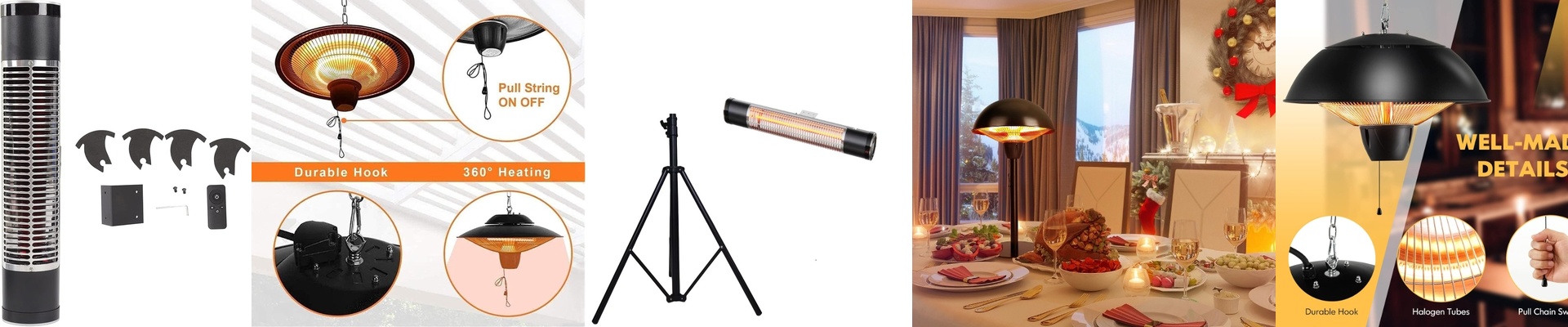
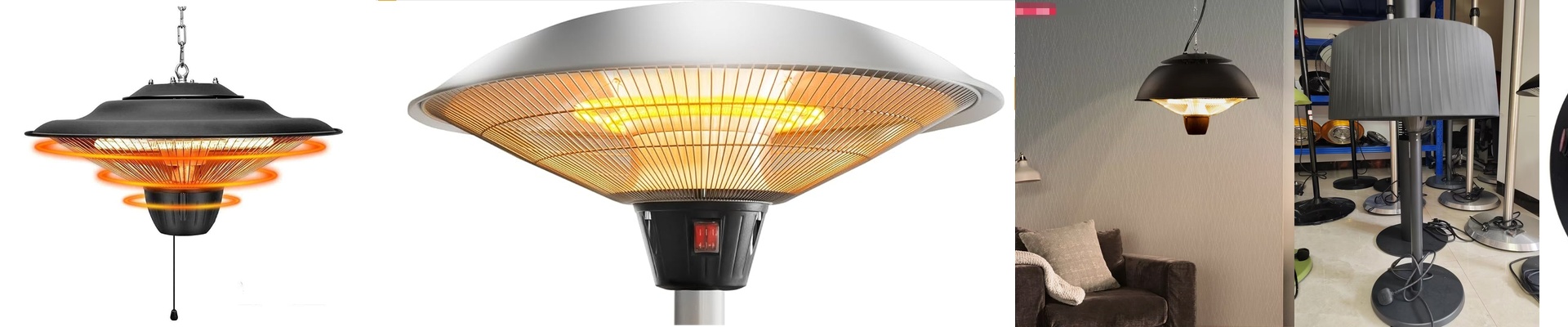
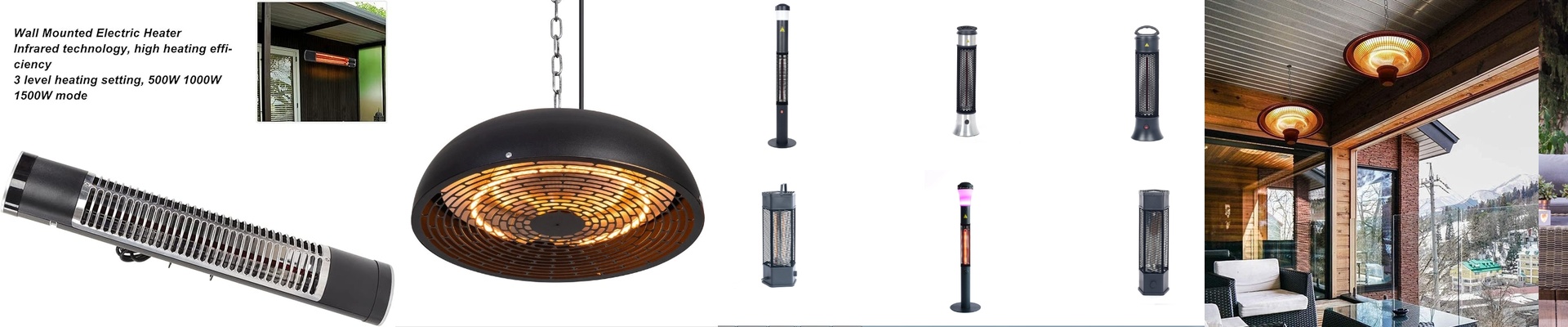
Ever tried to heat a big, open bathroom or a locker room with a standard heater? It’s a losing battle. The warm air just floats up to the ceiling and vanishes, leaving you shivering while you’re trying to get dressed. That’s why we stopped trying to heat the air and started heating the people. We use shortwave infrared (IR). Instead of warming up the whole room, these emitters send energy straight to your skin and the surfaces around you. It’s more like standing in the sun on a crisp October morning.
No More Waiting Around
Most heaters take forever to get going. You turn on an oil radiator and wait twenty minutes for it to actually do something. Not these. These wall units hit their peak temperature in seconds. It’s almost instant. You step into the beam, and you’re warm. Period. It turns a freezing locker room into a comfortable space the second you flip the switch.
Built for the Steam
Bathrooms are brutal on electronics. Between the humidity and the steam, things tend to rust or short out pretty quickly. To stop that from happening, we use high-grade quartz glass and reflectors that don’t corrode. We also fill the elements with halogen to make them last longer and run more efficiently. Everything is tucked into sealed housings to keep the moisture away from the wiring. Just a heads-up if you’re installing these in a busy commercial spot: make sure your circuit breakers can handle that initial surge of power when they kick on.
Getting the Placement Right
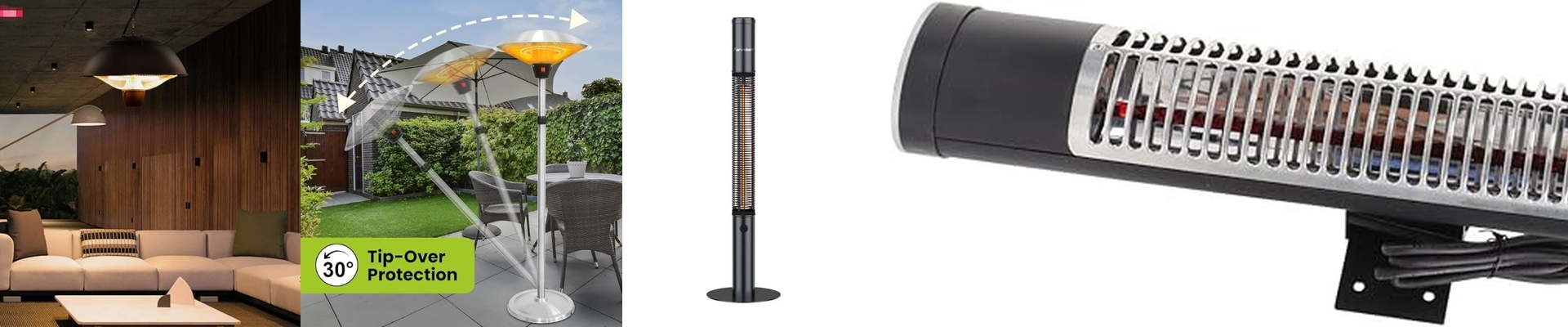
Here is the catch: these heaters are powerful. Like, really powerful. Since the heat is so concentrated, you can end up with “hot spots.” If you mount the unit too low or too close to where someone is standing, it’ll feel uncomfortable—maybe even too hot. You’ve got to play around with the height and the angle to make sure the warmth feels just right. Also, remember that IR heat is directional. If you can’t see the heater, you won’t feel the heat. To avoid having “warm zones” and “cold zones,” we usually overlap the beams from a few different units across the wall. That way, no matter where you’re standing, you’re covered.