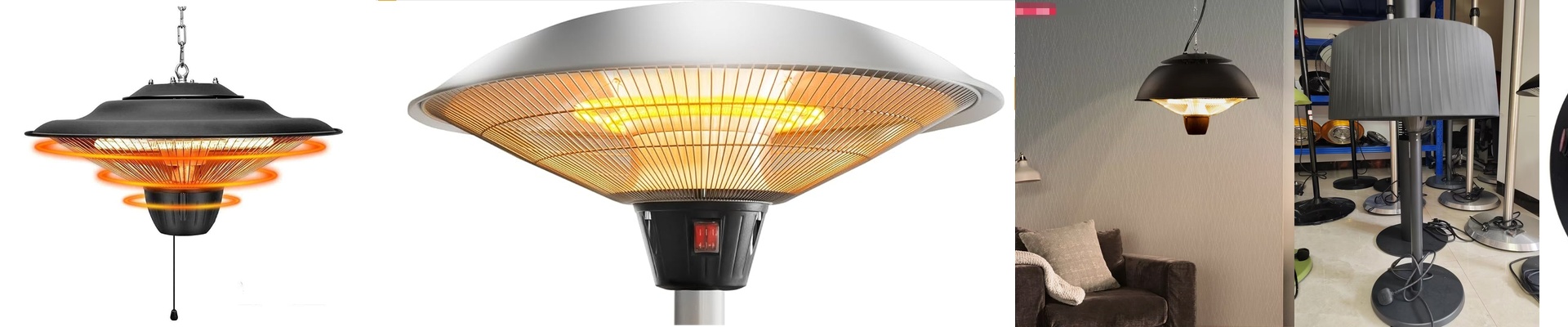
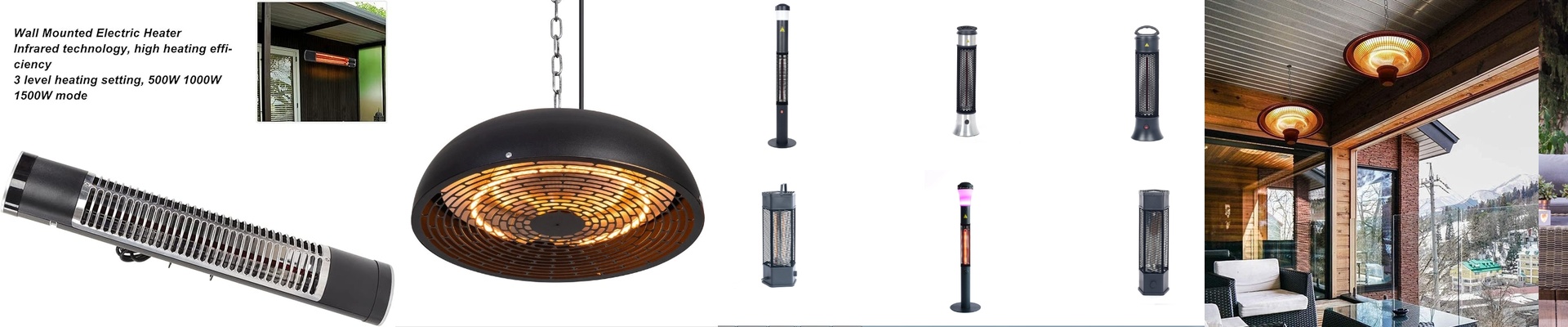
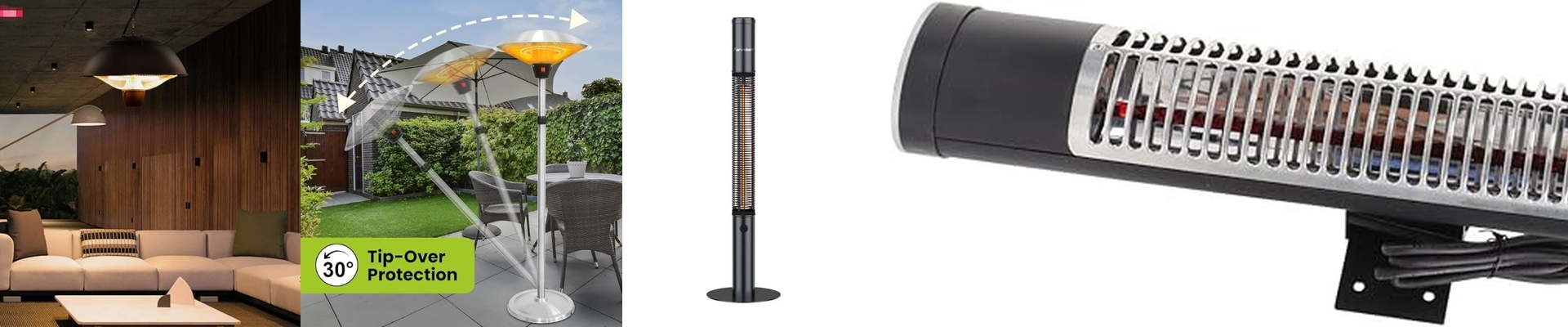
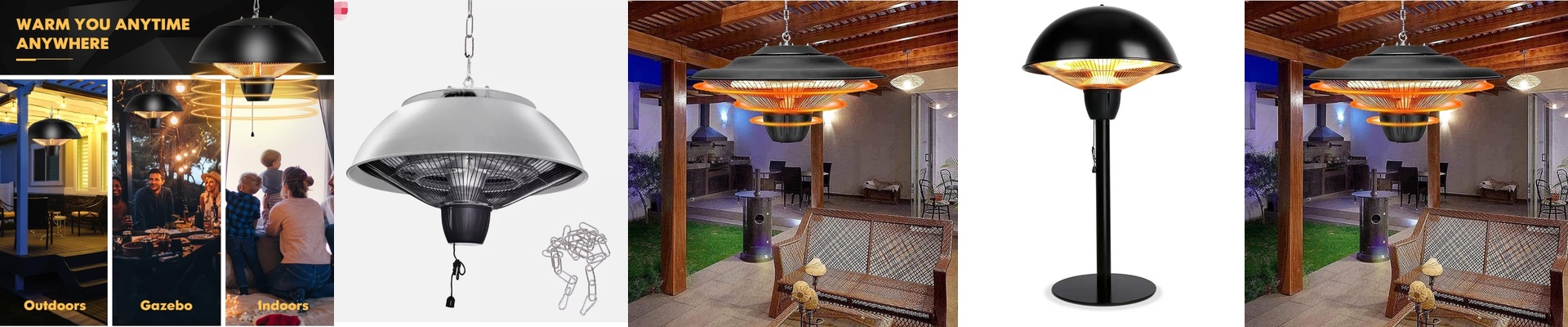

Making Your Bathroom Warm (Without the Stress)
Let’s be honest: stepping out of a hot shower into a freezing bathroom is the worst part of the morning. You want heat, and you want it now. But putting a heater near water is usually a recipe for a disaster. That’s why we built these units with an IPX4 rating. In plain English? They’re splash-proof. Whether it’s a stray spray from the shower or a few splashes near the sink, the guts of the machine stay dry. No short circuits, no sparks, just warmth.
Why it feels different
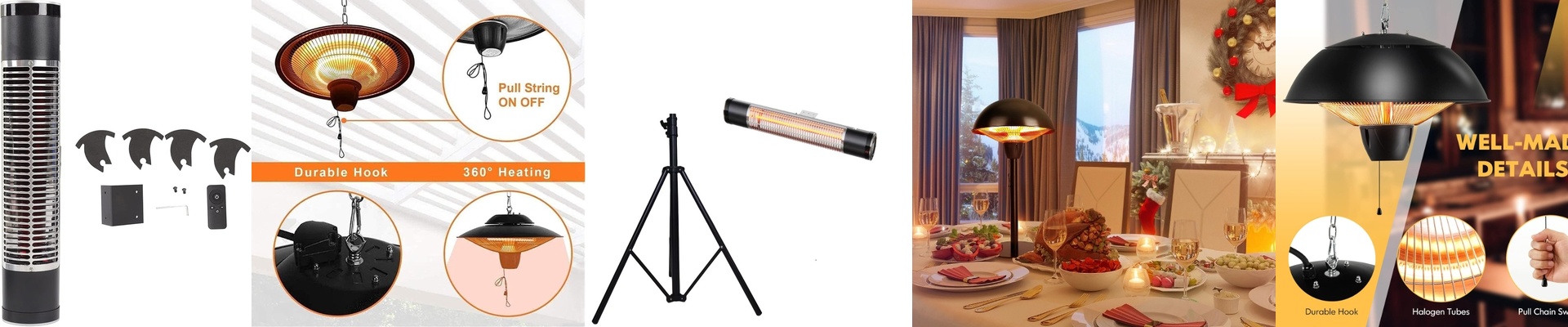
Most heaters try to warm up the air in the room. The problem is, air is stubborn and takes forever to heat up. Our IR lamps work differently. They send out heat in a straight line—kind of like sunlight hitting your skin on a summer day. It doesn’t care if the room is freezing; it heatsyoudirectly. The second that relay clicks, you feel it. No waiting twenty minutes for the room to “warm up.” It’s just instant.
Making it “Smart”
If you want to control your heat from your phone or a voice assistant, you need a bridge. We basically connect the high-voltage power of the heater to a low-voltage brain (usually via Wi-Fi or Zigbee). The smart hub sends a tiny signal to a heavy-duty switch, which then flips the power on. You can get pretty creative with this. I love setting up a motion sensor. You walk into the bathroom at 6:00 AM, the sensor trips, and by the time you’ve brushed your teeth, you’re standing in a cozy bubble of heat.
A quick heads-up on the wiring
Here is the part where you need to be careful. These heaters pull a lot of power. If you try to cram too many of them onto one cheap smart switch or some thin residential wiring, you’re going to trip your breaker—or worse, overheat the wires in your walls. Make sure your wiring can handle the peak load. And do yourself a favor: use relays that are rated for this kind of power. It keeps the switches from “welding” shut over time, which is a headache you definitely don’t want.