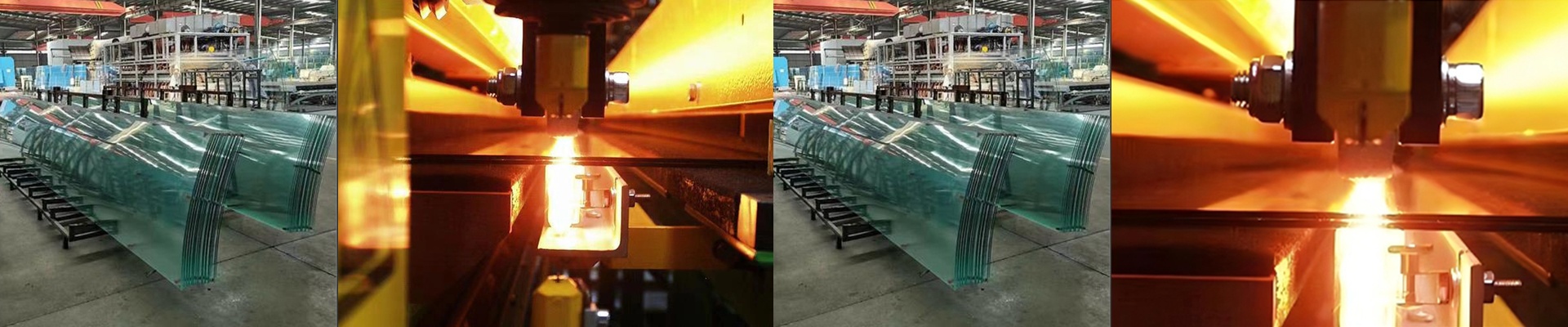


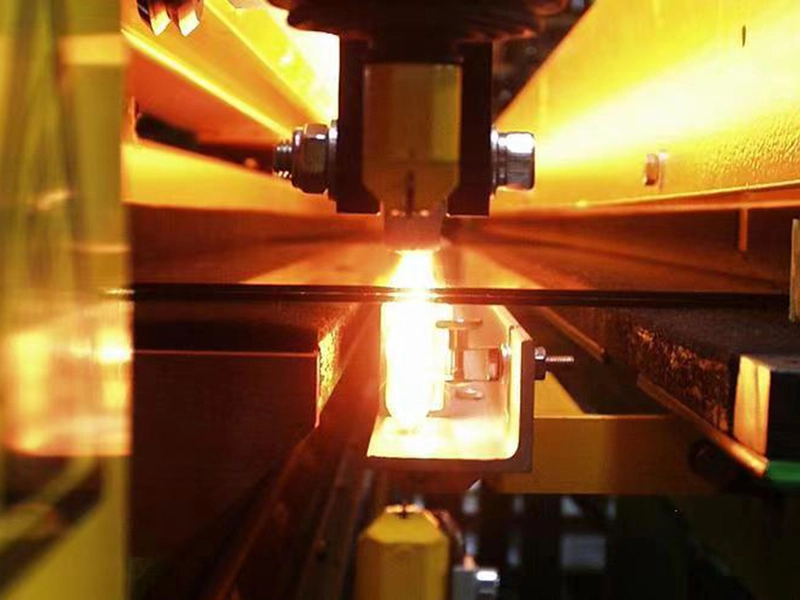
Cutting through ultra-thick glass is basically a war. You’ve got a tungsten carbide wheel fighting against a material that just doesn’t want to give. The friction is brutal, and if you’ve ever done this, you know the blade wears down fast. It’s frustrating and expensive. To fix this, we use medium wave infrared (MWIR) lamps to prep the glass right where the cut happens. Here is why that works. Most shortwave IR just bounces off the surface, which doesn’t help us. But medium wave IR is different. It actually sinks into the silica. By focusing that energy right on the score line, we can soften the molecular structure of the glass just enough to lower the surface tension. It makes a world of difference. Instead of the cutting wheel fighting for its life, it just glides. The blade doesn’t have to battle the full hardness of the glass, which means way less chipping and a lot less “burnout.” You end up getting way more mileage out of every single blade. But you can’t just crank the heat and walk away. You need high power density to make sure the heat stays where you want it, but there’s a tipping point. If the lamp is too hot or you move the cutting head too slowly, you’ll create too much thermal stress. That’s when things go south—you get uncontrolled cracks or the whole thing just shatters. The trick is getting your PLC to sync the lamp’s intensity perfectly with how fast the head is moving. When you get the wiring and the positioning right, you’re not just forcing a blade through glass anymore. You’re using heat to do the heavy lifting. It’s really the only way to keep your tool costs from spiraling when you’re working with heavy plates.