


A Better Way to Handle Thick Glass
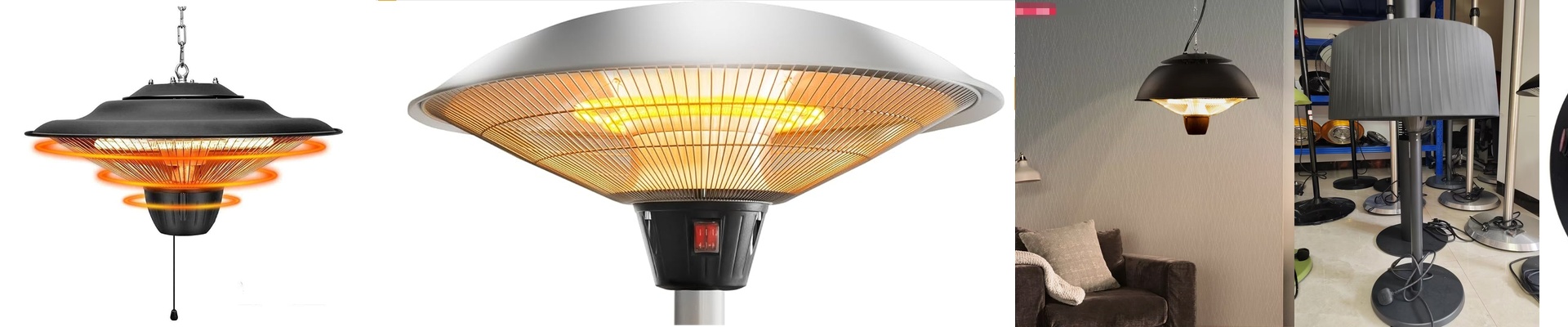
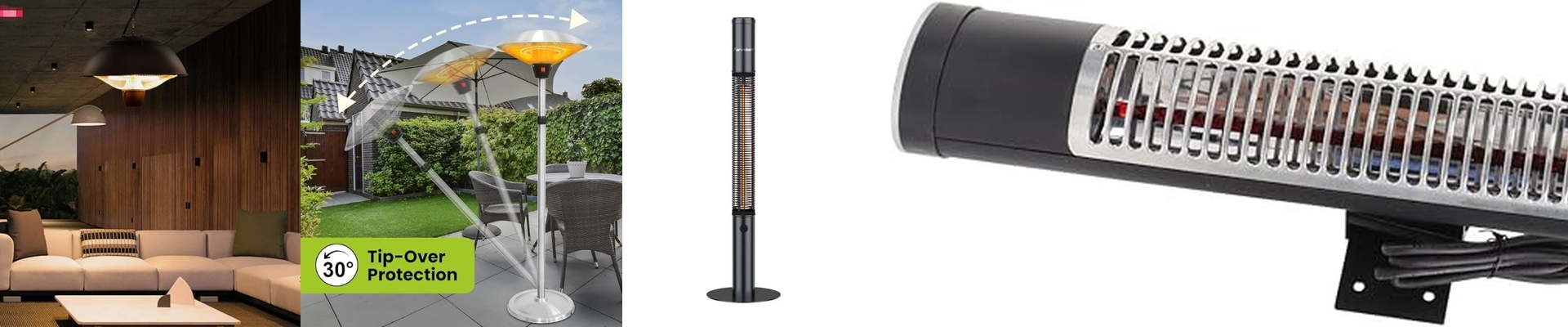
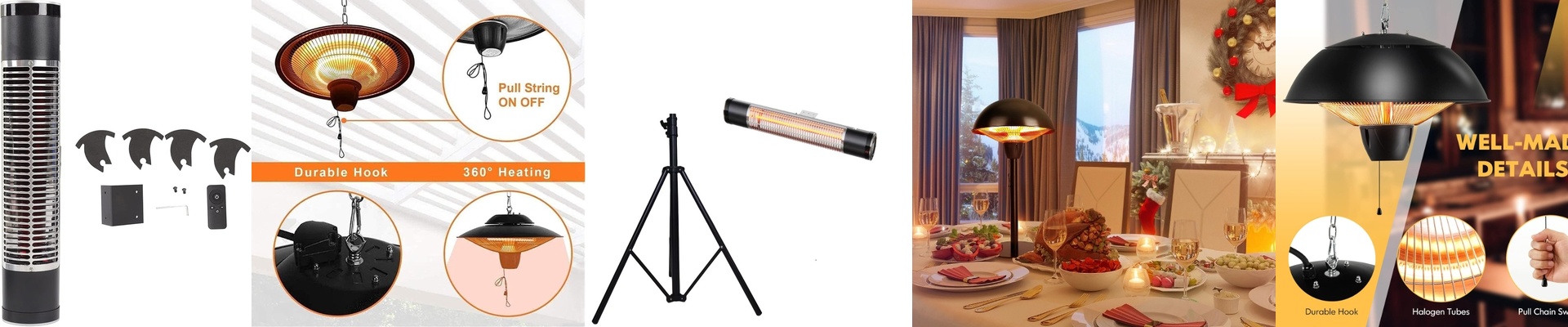
If you’ve ever tried to score ultra-thick glass, you know the struggle. It’s a fight. The cold glass pushes back against the cutting wheel, and before you know it, your tools are chipped and you’re swapping out blades way too often. It’s frustrating and, frankly, a waste of time. We found a way to stop that fight. Instead of forcing a blade through cold, stubborn material, we use high-penetration quartz infrared lamps to soften the glass right where the cut needs to happen. The secret is in the waves. Most heaters just warm up the surface, which doesn’t do much for a thick slab. But short-wave infrared is different. Because we use high-purity quartz, these waves actually sink deep into the glass. It doesn’t melt the glass—it just lowers the viscosity. It makes the material a bit more “giving.” So, when the cutting wheel hits that pre-heated path, it doesn’t crash into a wall. It glides. A few things to watch out for. To get that deep penetration, we have to push a lot of wattage through the tubes. This gives you a tight, concentrated heat zone exactly where you need it, without turning the whole slab into an oven. But here’s the catch: these lamps get incredibly hot. If you’re setting up a high-power system, don’t skimp on the housing. You need plenty of breathing room and good airflow. If the air stays stagnant, you’re going to burn out your lamp ends or warp your brackets, and nobody wants to deal with that. Saving your tools (and your sanity). When the glass is softened, there’s way less friction. Your tungsten carbide wheels aren’t taking a beating anymore; they’re slicing through a conditioned zone. The result? Your wheels last much longer. You aren’t stopping the line every few hours to swap out a worn-out tool, and your cuts stay clean and consistent. You get to actually run your production line instead of babysitting your equipment.