Why a Sealed Infrared Heater Is the Secret to Keeping Glass Clean in a Coating Line
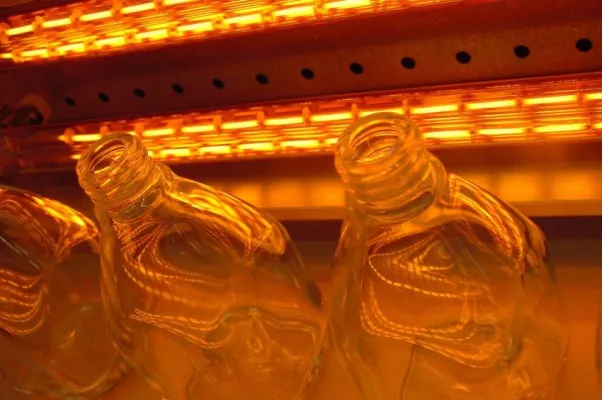
We built our infrared heater completely sealed for one simple reason: coating lines are messy. Powder gets everywhere, and it kills your yield. With standard open heaters, that dust lands on hot surfaces and bakes on. Not a good look. Our sealed quartz envelope keeps the heating element tucked away, so you get steady heat without ever contaminating the glass.
Power, Voltage, and Geometry—Made Practical
Glass finishing needs heat that’s fast, controllable, and fits in a tight space. So we built these sealed infrared heaters around high-density output—typically 2500W on a 400V supply. That voltage choice keeps the current lower over long runs. Less line loss. Simpler wiring inside a crowded coating booth. The tube length is matched to the glass profile—often around 300mm—so the heat lands exactly where you need it. No wasted energy. Just rapid response and repeatable temperature, cycle after cycle.
The Design That Actually Holds Up
At the heart is a quartz tube, fully sealed. Quartz handles wild temperature swings without cracking, and it stays chemically steady even when solvents and coating residue are floating around. Because it’s sealed, there’s no airflow across the filament. That means dust and powder can’t bake onto the hot surface. Installation is straightforward, too. We use R7s-style end connections, so it’s a direct drop-in replacement. No custom brackets. No re-engineering the lamp holder.
What It Feels Like on the Line
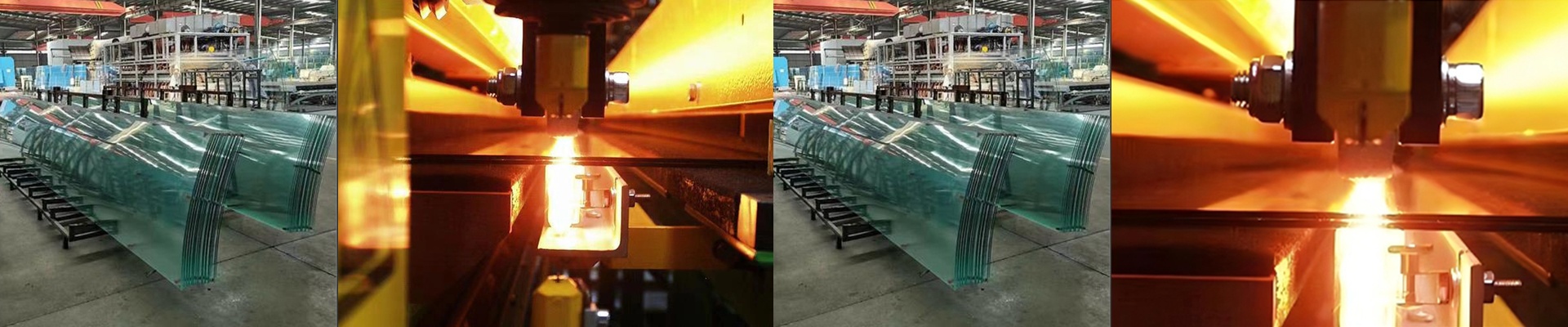
In a coating environment, you need heat without stirring up air—and without stirring up particles. Our sealed infrared heaters deliver direct radiant energy, so the glass heats fast while the surrounding air stays calm. Less powder agitation. Fewer defects. And housekeeping becomes easier. Now, here’s the trade-off: at 2500W, the lamp runs hot. So your equipment has to be set up to manage that local heat and keep nearby electronics within safe limits. But when your cooling and mounting are right, you get stable curing, cleaner glass, and fewer shutdowns just to wipe heaters down.