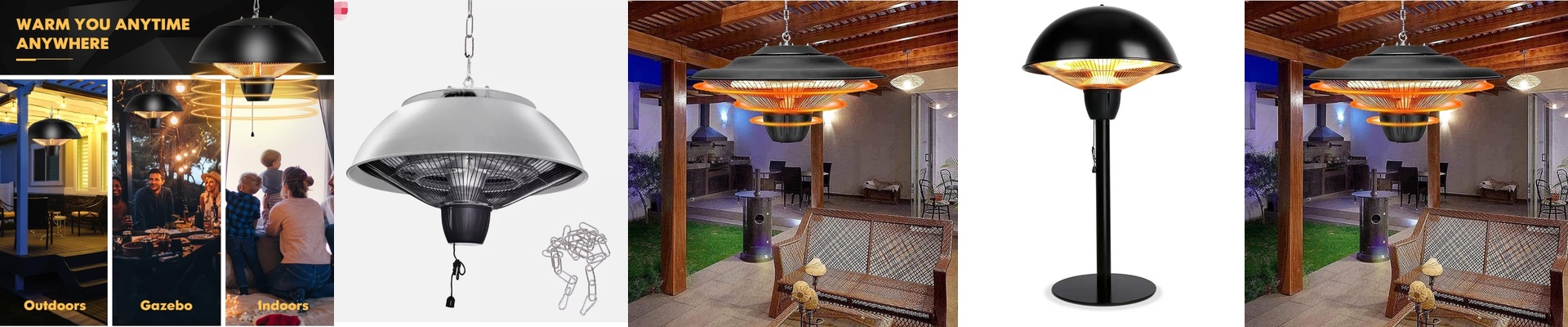
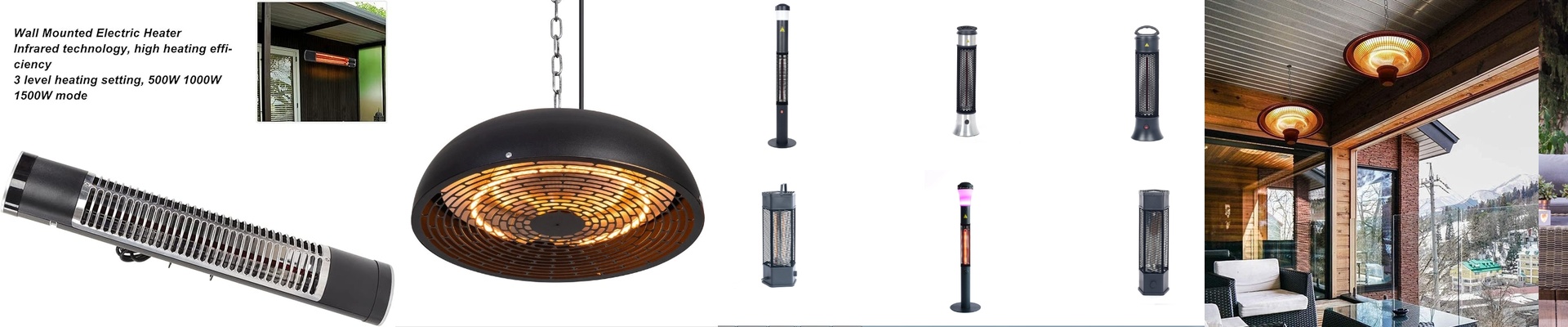
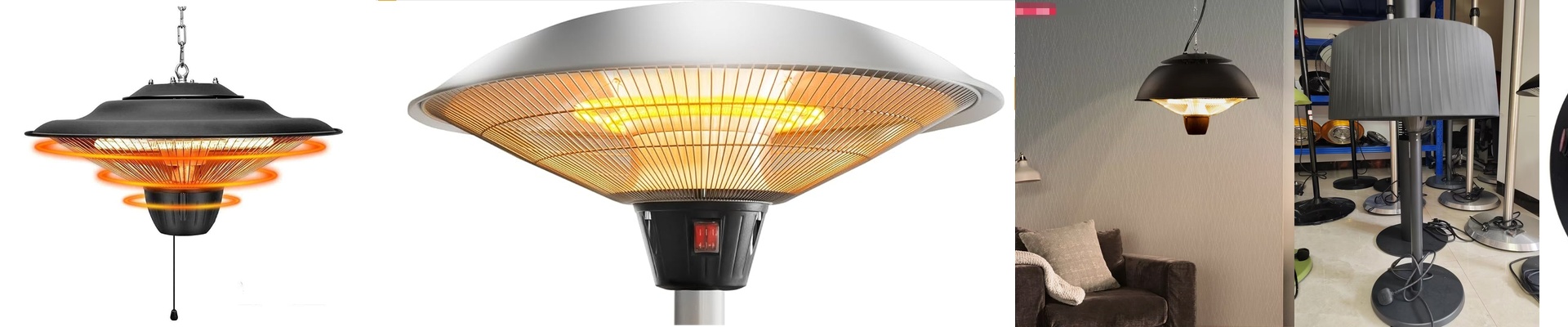
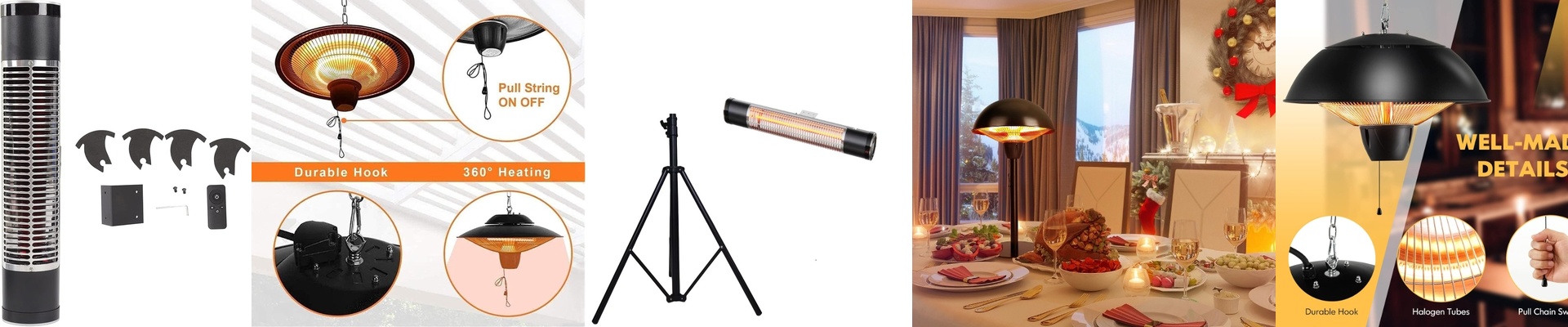
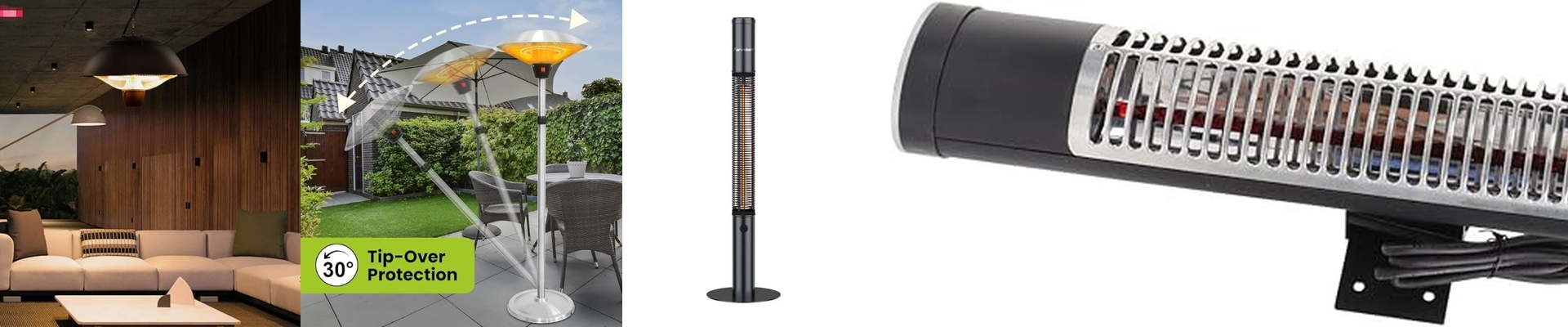
On the line, sapphire blanks don’t forgive slow or uneven heat. A lazy ramp or a cold spot shows up fast—warp, edge cracks, and optical clarity that drifts from piece to piece. We built these heaters for production, not for show-and-tell in a lab. What matters under the hood The heater leans on short-wave quartz elements—high-intensity energy with snappy response. Typical ramp rates hit 12°C/s, which shaves cycle time on tempering and bending. Temperature uniformity across the active zone holds within ±2°C at 1200°C, so the whole part gets the same thermal history and thermal stress stays in check. Power density runs 30–40 W/cm², enough heat flux to push through thick sapphire without overshoot. Control is PID with SSR switching, and the system holds setpoint stability within ±1°C even when the load swings. Why this works on sapphire When you’re cutting, polishing, or forming sapphire, you’re chasing repeatable shape and surface integrity. Rapid, even heating cuts dwell time, which lowers energy use and keeps throughput up. Tight uniformity means fewer scrapped parts from thermal gradients, and the fast response makes recipe changes between products quick and clean. The payoff is flatter parts, better edge quality, and less rework. Here’s what to watch for These heaters drop into standard machine footprints, but the quartz elements don’t like mechanical shock—handle them carefully during install. Keep clearance around the hot zone for airflow and thermal expansion. There will be a warm-up period before you hit a stable setpoint, so plan changeovers around it. Match the power supply and control interface to your machine, and you’ll avoid downtime and keep the elements protected.