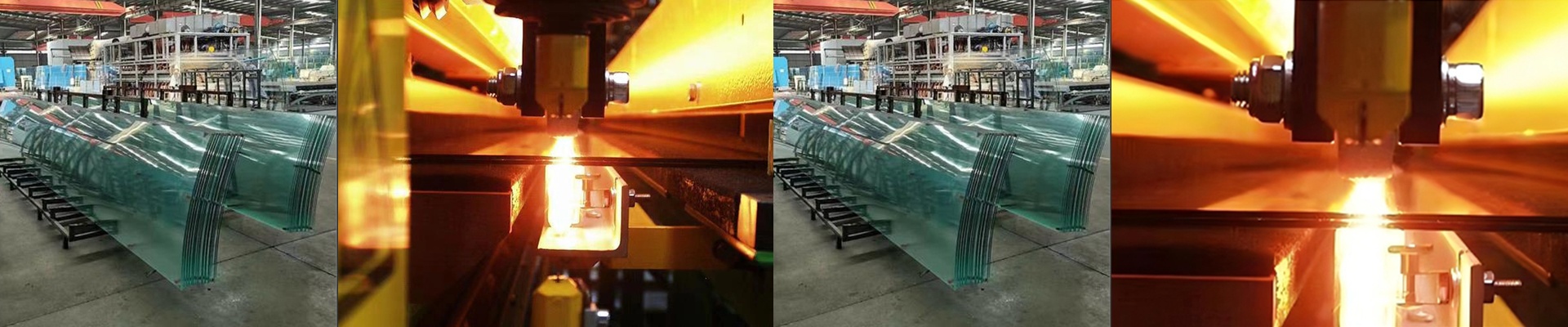
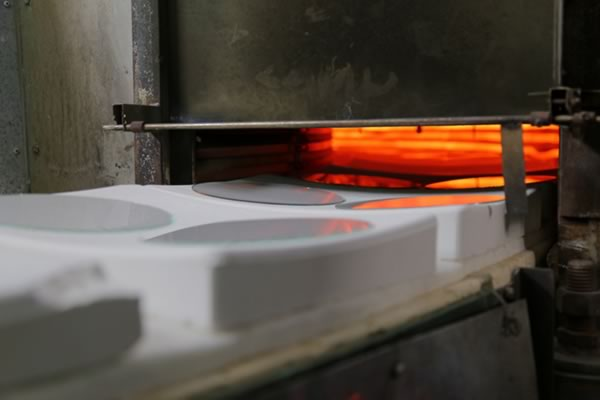
Out on the line, the oven lights are blazing and the lehr belt is feeding hot glass into the cooling zone. When the cooling fan on a glass oven starts to slip, you know it fast. You get edge waves on bent glass, optical distortion on coated lites, and tempering stress that shows up as spontaneous breakage after it leaves your dock. That isn’t a quality issue you can paper over. It’s scrap, rework, and your schedule going sideways. What matters under the hood We spec this fan for the way glass plants actually run: high ambient heat, continuous duty, and airflow demand that shifts with the load. The motor is rated for steady operation at elevated temperatures, with IP54 protection to keep dust and moisture out. The impeller is balanced for stable rotation, and the housing is reinforced so it stays rigid through thermal cycling. Airflow is sized to match the oven cross-section, so the cooling zone stays even—no hot spots, no laminar separation. High-temperature bearings and a heat-resistant impeller material keep the unit turning when the oven is pinned. In tempering and bending lines, the cooling phase is where final shape and residual stress get set. If airflow is uneven, the glass cools at different rates, and that thermal stress can crack during handling—or worse, in the field. On lamination and coating lines, controlled cooling keeps solvent trapping and haze from creeping in, so optical clarity and adhesion stay on spec. Why it holds up in production This fan keeps the cooling zone consistent, which helps you hit tighter flatness tolerances and cut down on edge defects. The payoff is fewer rejects, more predictable cycle times, and less downtime spent chasing temperature drift. A few practical notes. Mounting clearance matters. Airflow has to line up with the duct layout, and the inlet needs to stay clear—block it, and you get turbulence, noise, and a cooling profile that wanders. Double-check voltage and phase at the terminal, and confirm the mounting footprint before you install. Oven openings vary by OEM, and you don’t want to learn that the hard way. Plan for routine cleaning of the inlet screen and periodic bearing inspections while it’s running hot. When the fan is matched to the oven and you keep up on maintenance, the cooling zone behaves like a stable process parameter you can count on.