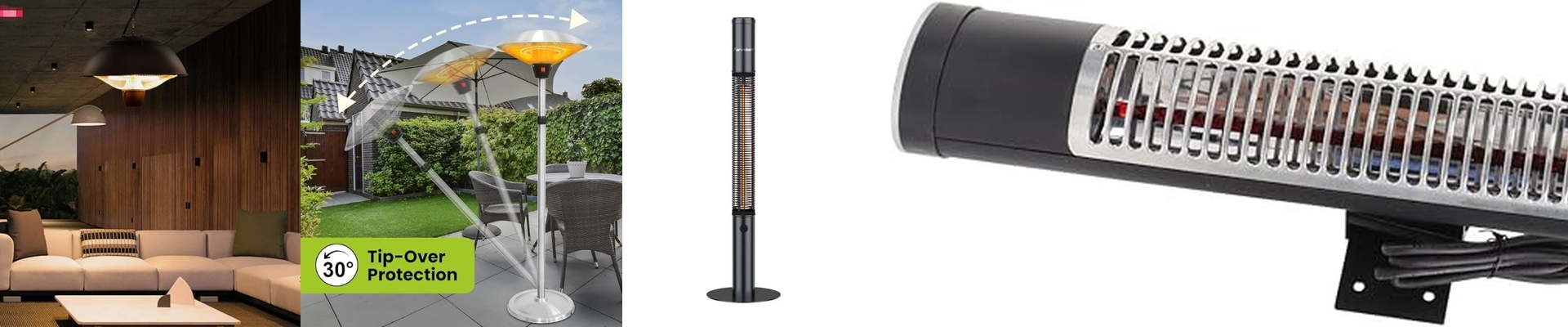
On the line, ink drying isn’t something you wait out. It’s a heat-transfer problem you have to solve inside the cycle time. If the Infrared energy doesn’t do its job, you’ll see uneven cure, pinholes, and adhesion failures that only show up later—during tempering or lamination. That’s scrap, downtime, and glass you can’t ship.
What matters under the hood
We build the infrared ink drying lamp around short-wave NIR emitters in a quartz envelope, tuned to hit the coating fast without dumping heat into the glass body. The goal is a quick ramp into the ink cure window without pushing thermal stress into the substrate. Power density is matched to line speed and coating thickness, so the peak temperature lands where the ink needs it, not where the furnace dictates. The whole unit is packaged as a drop-in module with standard mounting and terminals, so it slots into existing coating and drying sections without tearing the line apart.
Why it fits real glass processing
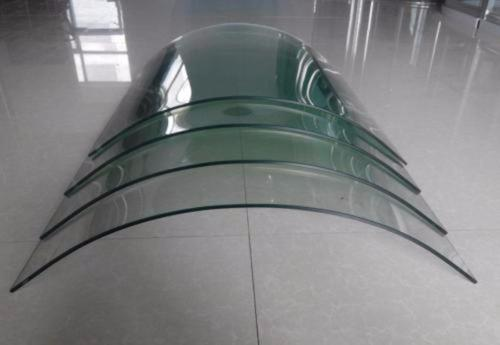
Drying has to keep pace with tempering, bending, and lamination—without creating quality risk. This lamp gives you rapid, repeatable heating that shortens dwell and evens out cure across the sheet, cutting edge-to-edge variability. The payoff is fewer rejects, more consistent optical clarity, and output you can count on. Energy use drops because the energy goes straight into the coating, not into heating air, and the emitter life holds up through long shifts with fewer changeouts.
What I watch for on install
Installation is straightforward, but the lamp performs best when reflector geometry and clearance are set to the coating profile and glass thickness. Keep the emitter window clean—dust and coating overspray scatter the energy and create hot/cold bands. Plan for thermal expansion and shield nearby components from radiant heat. Those two details are the most common field headaches I see.