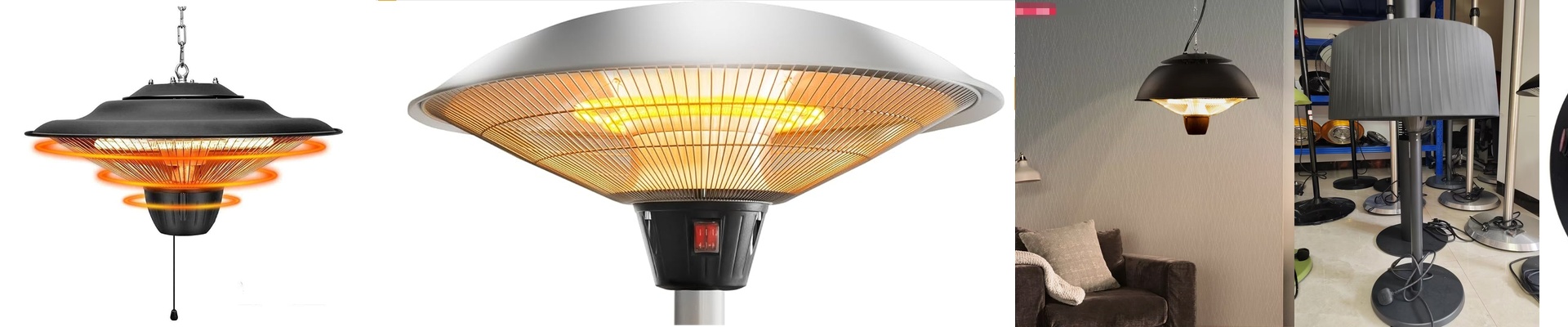
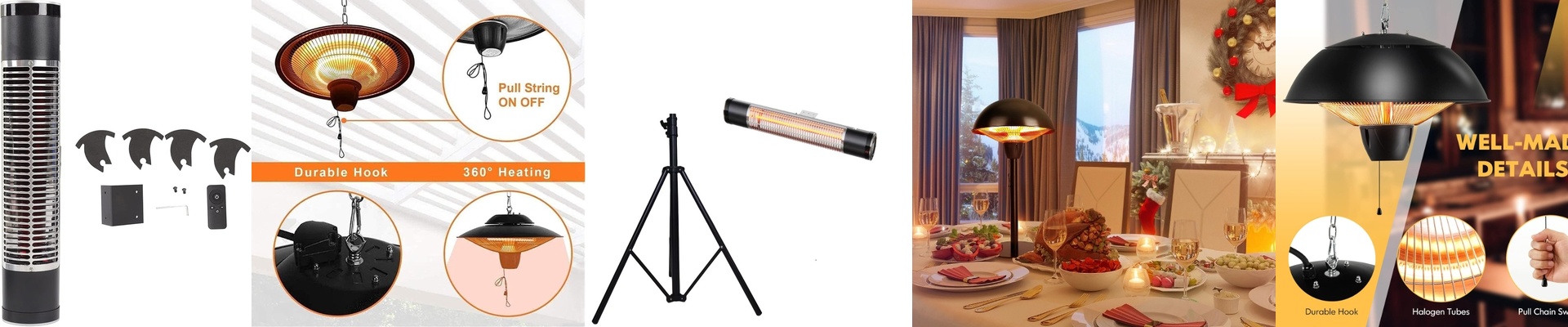
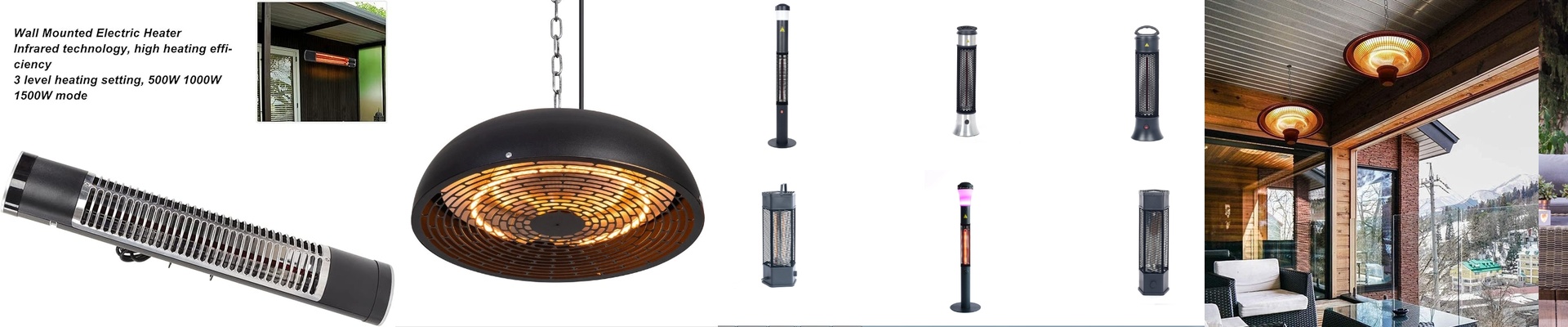
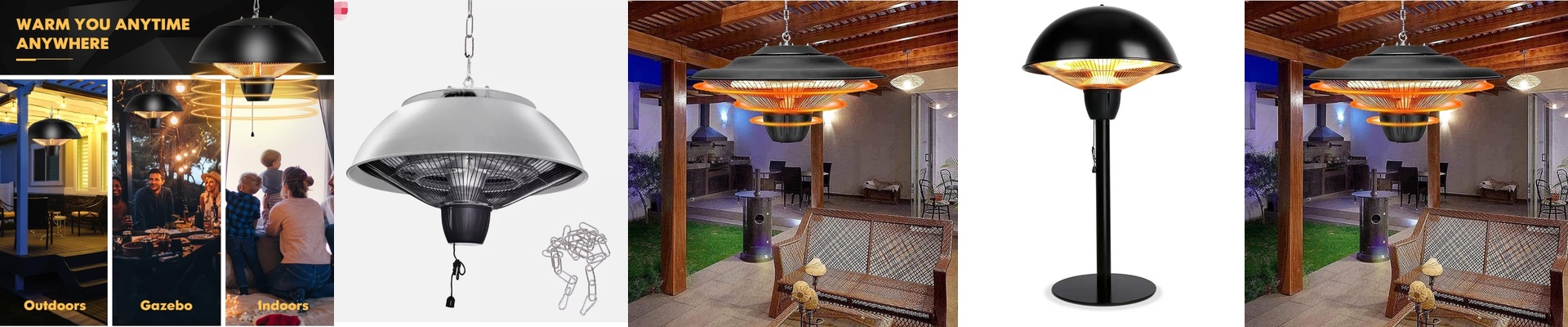

On the spectacle glass line, annealing is where thermal stress either gets tamed or gets buried. When the lamp can’t keep up, you end up with warped lenses, micro-cracks, and a scrap pile that quietly eats your margin. We built the spectacle glass annealing lamp to cut that problem off at the pass—by putting repeatable heat right where the glass needs it. The core is a quartz short-wave infrared design, chosen for fast response and stable output. Power is matched to the annealing zone footprint, so the temperature profile stays flat across the glass instead of chasing peaks and valleys. That gives you a uniform thermal field, which keeps differential expansion under control and keeps stress fractures from showing up during controlled cooling. In practice, you see fewer reworks and fewer rejects that only surface at final inspection. On the floor, this lamp pulls its weight. You cut energy use because the heating cycle is shorter and standby losses are lower—no more paying for heat that just sits idle. Uptime improves because the module drops right in, compatible with standard mounting and wiring, so you don’t have to re-engineer the line. Maintenance gets predictable: fewer lamp changes, less downtime, and a spares strategy that’s easier to live with. When you’re running a high-mix spectacle schedule, you get more good parts per shift, and the cost per lens starts moving the right way. Installation is straightforward, but alignment is where the details matter. Set the focal distance and confirm reflector orientation to avoid hot spots—small mis-aiming can shift the anneal curve at the lens edge. Also, make sure your line voltage and cooling airflow match the spec. Stable inlet air keeps the lamp inside its thermal window and protects the quartz envelope. Plan the changeover with a spare module on hand, and the line keeps moving.