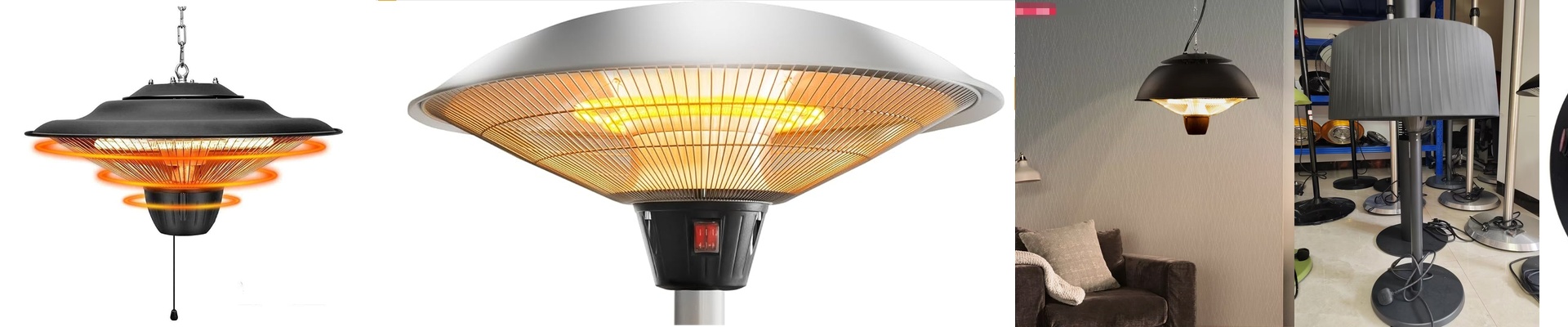
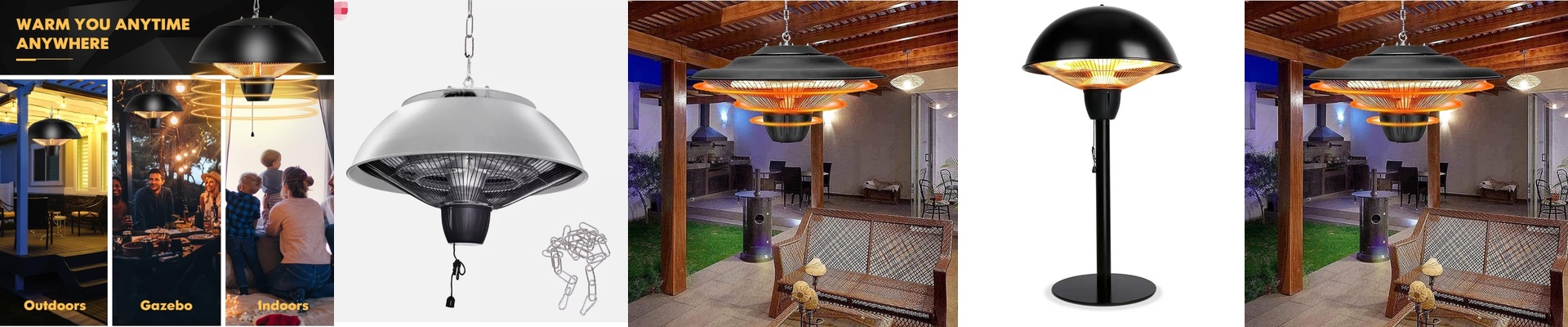
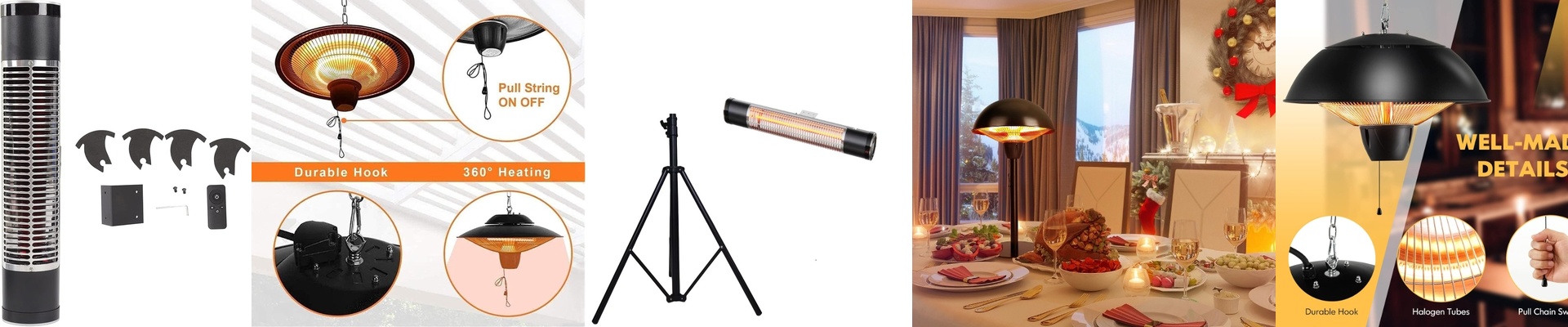
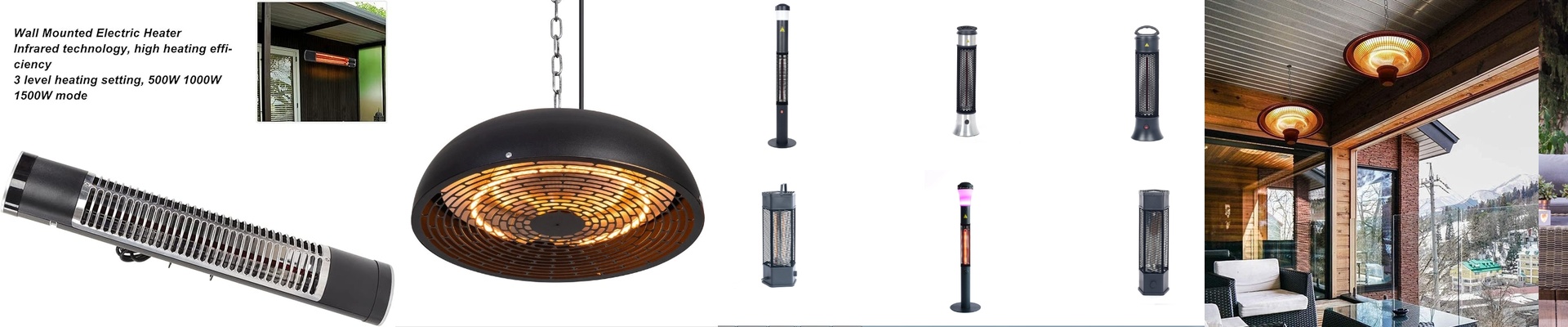
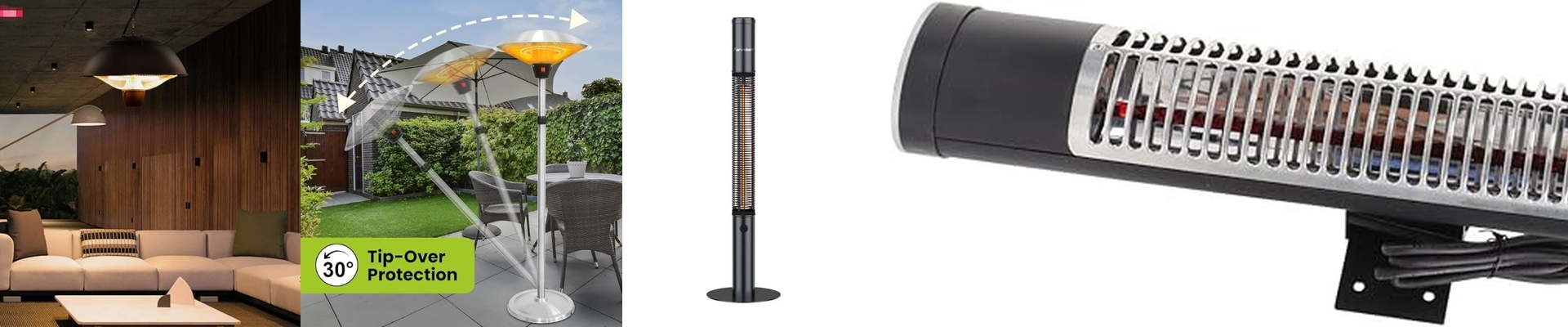
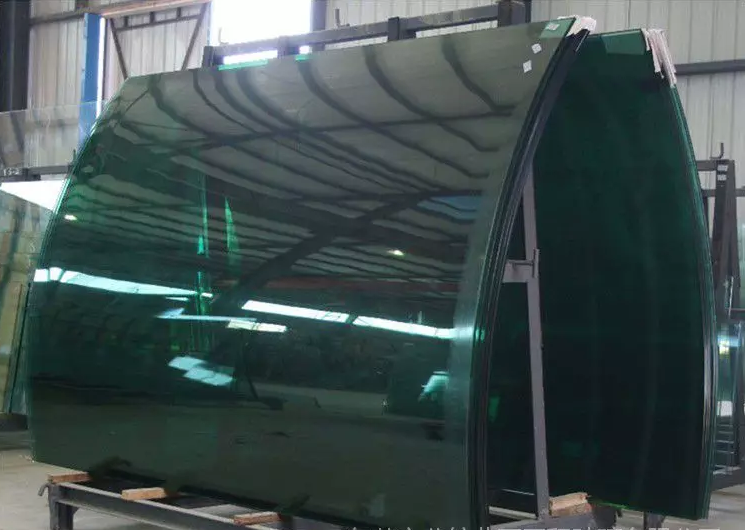
On the aerospace glass line, the bending station is where yield gets made—or disappears. Temperature non-uniformity shows up as optical distortion, residual stress, and windshields that end up in the scrap bin. We built the aviation glass bending lamp to stop that bleeding. It puts out controlled, repeatable heat that stays inside the tight tolerances aircraft transparencies demand.
What matters, technically
We run short-wave infrared quartz emitters with a reflector geometry tuned to project a uniform thermal field across the mold surface. That cuts down hot spots that drive thermal stress. The response is quick—full power in seconds, trim adjustments in sub-second steps—so you can chase the exact bend profile without cooking the glass. The lamp body uses a low-thermal-mass design, so setpoint changes follow the PLC command with minimal lag. Power density is matched to aviation glass thicknesses, from thin multi-layer laminates to thicker structural panes, and the output stays stable cycle after cycle, not just on the first run.
Why it holds up on the floor
Aviation glass bending has to live inside a repeatable thermal window. Miss it, and you pay in rework and inspection. This lamp keeps that window tight, so the glass flows predictably, anneals cleanly, and holds dimensional stability. You end up with fewer rejects from warp and waviness, and less hand polishing to hide heat marks. The fast ramp-up keeps pace with high-throughput schedules, and the focused heat profile draws less energy than broad-area convection heating. For aerospace programs that run small batches with strict traceability, repeatability is the difference—part after part—between qualification and headaches.
The details that bite you if you ignore them
Installation is straightforward, but alignment is not optional. The emitter array has to be parallel to the mold plane, or you’ll see edge-to-edge variation. If the lamp runs continuously in a sealed chamber with poor airflow, expect a 10–15% derating. Heat building up in the reflector will drift the output. Plan the mounting so you can reach the lamp for cleaning. Quartz surfaces lose efficiency when process residues coat them. Match the electrical interface to your machine’s terminals, and verify thermal insulation at the mount so you don’t cook nearby components.