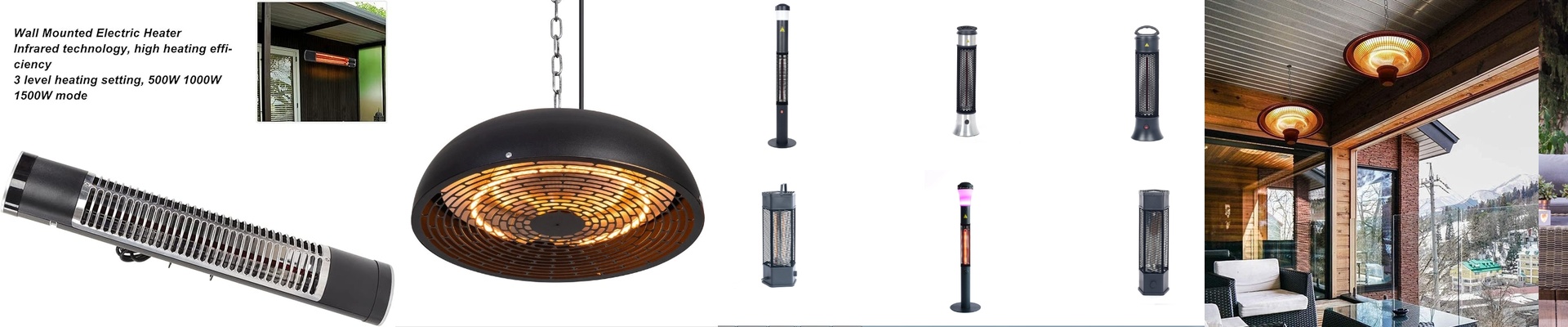
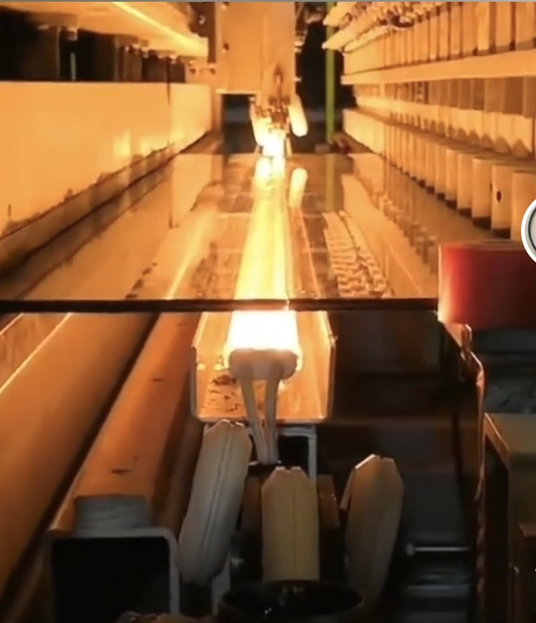
On the plant floor, heat isn’t just temperature—it’s control. One zone that drifts in the furnace, one lamination press module that lags, and you’re staring down optical distortion, thermal stress cracks, or missed cycle time. Alibaba glass processing heaters are built to keep heating predictable, repeatable, and ready to run when the line is. What matters, technically We match heating elements to the process. Short-wave quartz for fast, high-intensity response. Medium-wave for stable, even power in bending and annealing zones. And NIR/carbon-fiber modules where you need quick ramp-up and low thermal mass. Power density and zone layout are set to give a uniform thermal field across the glass—fewer hot spots, fewer edge losses. These heaters are engineered for industrial supply: 208–480 V configurations, solid terminations, and dimensions that drop into standard machine cutouts. Emissivity control and reflector design cut wasted heat and keep the profile stable, even when air movement and convection shift things around. In tempering, that uniform heat cuts stress marks and keeps break patterns consistent. In EVA/SGP/PVB lamination, the press needs heat that comes on fast and holds steady so you can pull vacuum and bond clean—no bubbles, no haze. In insulating glass sealing, controlled heat protects the primary seal while the secondary cures evenly. The payoff is fewer rejects, quicker changeovers, and lower kWh per square meter. Many units run 5,000+ hours with minimal output drift, and the modular design supports drop-in replacement so downtime stays short. Here’s what to keep straight. Installation has to respect clearances and airflow direction—unbalanced recirculation can create localized hot zones. Match the heater to the control strategy: PID tuning and thermocouple placement matter as much as wattage. Before you retrofit, confirm voltage, phase, and connector type, and make sure the thermal mass of the machine deck lines up with the element you’re running.