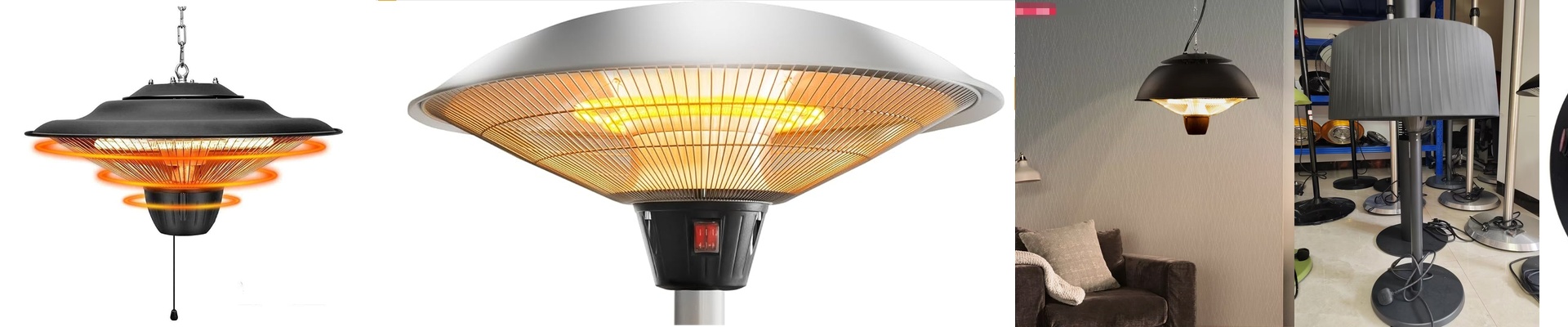
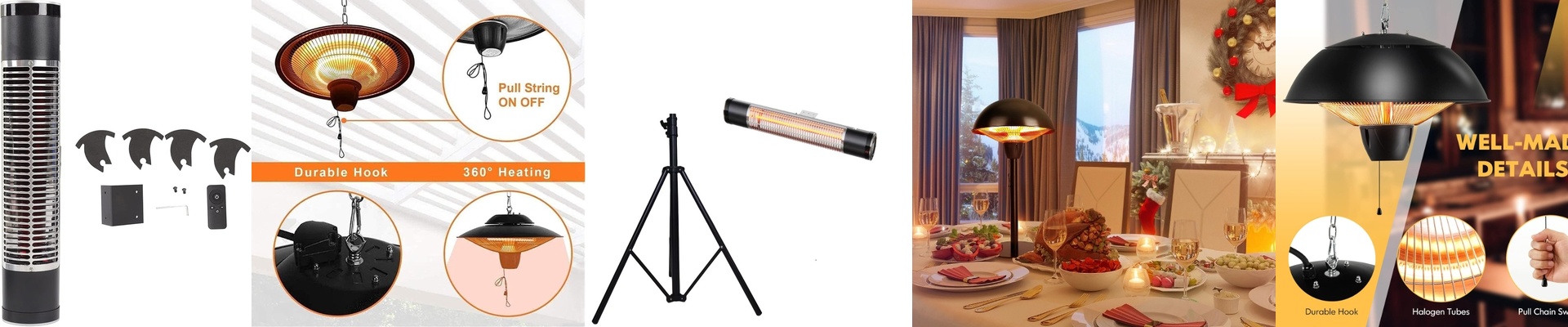

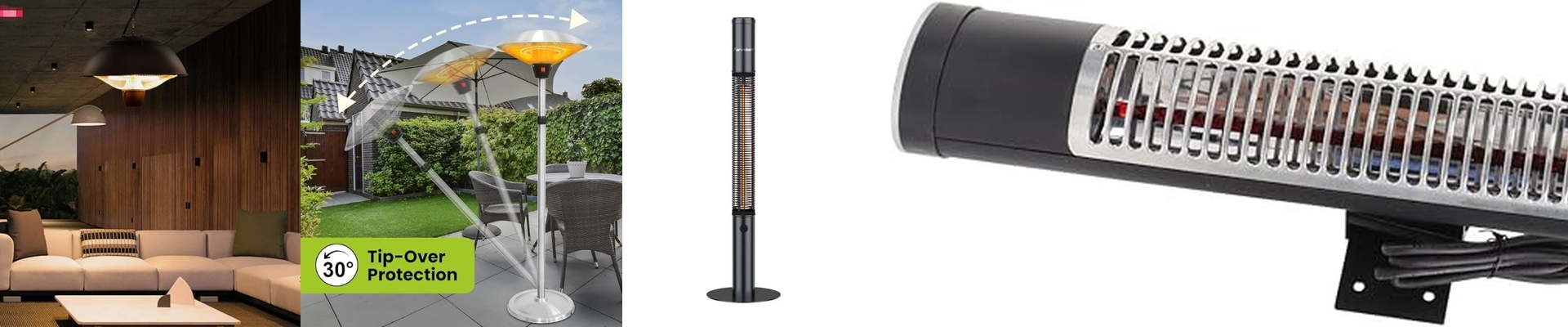
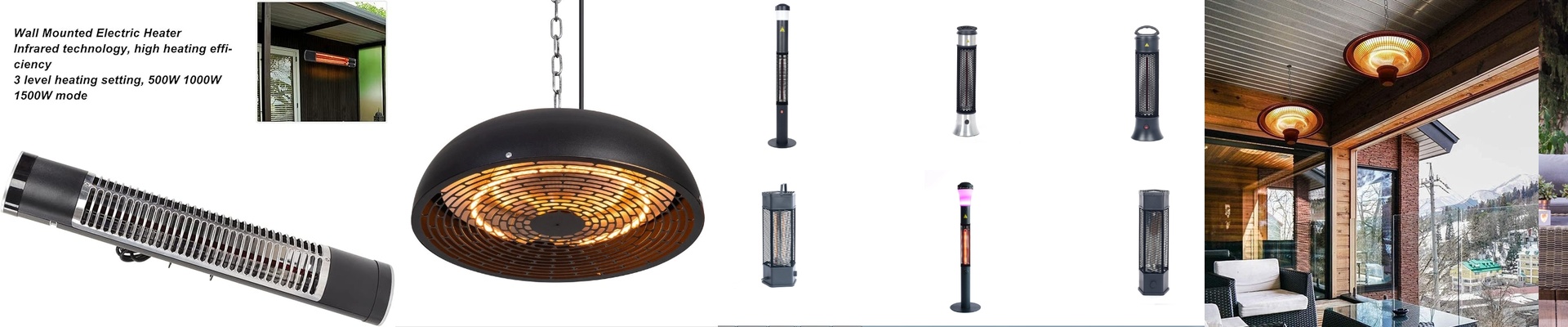

On the line, the cut only matters if the edge is in decent shape to begin with. Cold glass coming in means you’re fighting the score—more force, deeper chips, and micro-cracks that don’t stay quiet. They show up later as rejects in tempering and bending, and you feel it in the scrap pile and the extra pass-backs. A preheating lamp puts heat right where you need it, fast, controlled, and repeatable. What matters, technically We built this preheater around short-wave NIR quartz emitters. They snap on fast and dump energy straight into the glass surface without heating the air around it. You get a tight thermal band along the score line, typically bringing the edge to 80–120°C in seconds, depending on thickness and line speed. The emitter array is laid out to keep that thermal field even. Uneven heating creates thermal stress, and stress creates edge cracks. We size power to match throughput—common configurations run 2–6 kW per module, 240 V or 480 V, in a footprint that fits into existing cutting stations without major rework. The housing is steel-framed with ceramic insulators, and the hot zone is shielded so emissivity stays consistent and operators stay safe. Why it works in real glass processing Time is money, and temperature is quality. Preheating before scoring drops the required force, cleans up fracture initiation, and gives you a cleaner edge. That means fewer edge defects that later show as optical distortion in tempered parts, and fewer headaches in laminated assemblies where edge quality can drive delamination risk. On high-throughput lines, the lamp hits temperature quickly, so you don’t slow the conveyor waiting for soak. Energy use stays disciplined because the heat is directed—no wasted ambient heating. In practice, you see fewer edge chips, more consistent cut angles, and a steadier process window when you switch thicknesses. What you need to get right Installation is straightforward, but alignment is critical. The lamp has to be parallel to the glass path to keep that thermal band even. A small misalignment shows up fast—wavy cuts or uneven edge strength. Clearance matters, too. Too far and response slows; too close and you risk local overheating on thin coatings. The unit fits most cutting tables and can be wired to your PLC trigger, but it does need a dedicated circuit and proper thermal management around the emitter housing. Plan on routine maintenance when the quartz emitter hits end of life—typically 3,000–5,000 hours, depending on voltage profile and duty cycle.