Stop Playing Tetris With Your IR Tubes
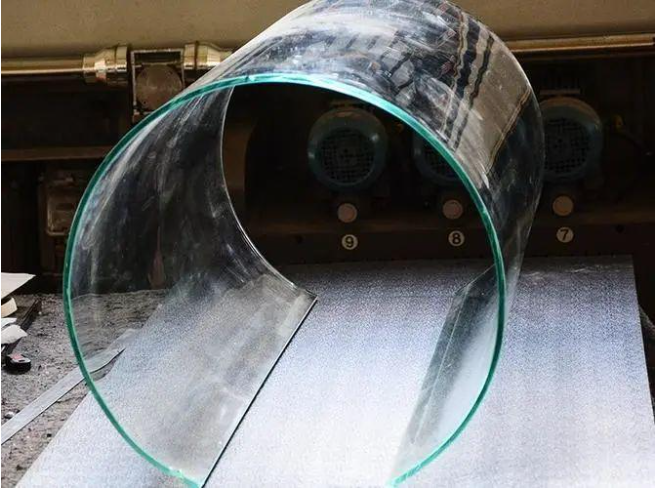
Let’s be honest: buying single infrared lamps is a headache. You get the tubes, but then the real work starts. Your floor techs are stuck bending brackets, messing with wiring, and praying the heat distribution is even. It’s a lot of manual labor for something that should just work. We figured there was a better way. Instead of sending you a box of parts, we send you pre-assembled, curved heating modules. We do the heavy lifting in our factory so your team doesn’t have to do it on the shop floor.
Why the “Module” Approach Actually Works
Think about it this way. A single lamp is just a part, but a module is a finished tool. When you’re heating glass, cold spots are the enemy. One uneven patch and you’ve got a stress fracture. To stop that, we build our modules to match the exact radius of your oven. This keeps the distance between the heat source and the glass the same all the way across. No guessing. No gaps. Plus, we handle all the wiring and mounting hardware. When the crate arrives, you aren’t spending half a day at a workbench. You just drop the module in, wire it up, and you’re done.
The Balancing Act: Power vs. Heat
Here is the tricky part. It’s tempting to just crank up the wattage per tube to get things heating up faster. But that puts a massive strain on your power supply and your cooling fans. If you go with a high-wattage shortwave system, your ventilation has to be ready to handle all that reflected heat. We spend our time balancing the lamp density and the curve of the module. Why? Because “hot spots” warp glass and burn out filaments way too fast. We make sure the heat is steady, not aggressive.
Less Grunt Work, Better Glass
At the end of the day, this is about getting to a “plug-and-play” setup. When you stop aligning individual tubes by hand, something happens: your heat profile becomes consistent. You stop seeing those annoying scrap pieces during the heating cycle. You can stop worrying about managing a hundred tiny parts and just focus on the actual process. It’s simpler. It’s cleaner. And your technicians will probably thank you.