
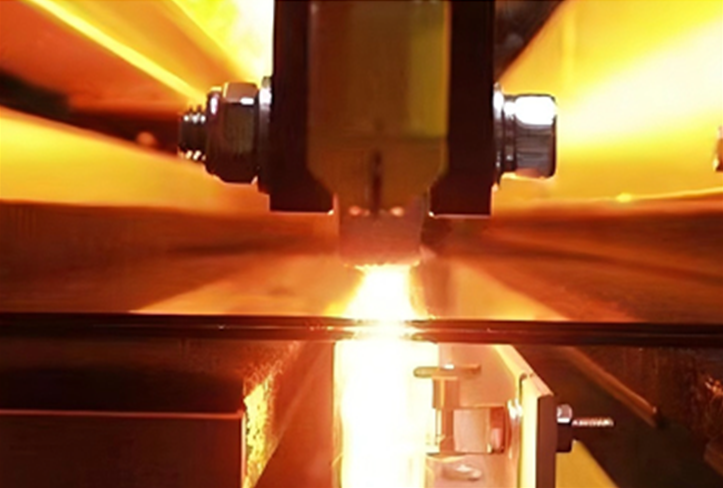
Why Fast-Response IR Lamps Make Inline Glass Annealing Actually Work
If you’ve spent any time on a glass production floor, you know the struggle. You need those thermal gradients to be perfect to get rid of internal stress, but those old-school leaching ovens are massive. They eat up way too much floor space and they’re just too slow for a high-speed line. That’s why we shifted to shortwave infrared (IR) lamps. It lets us move the whole annealing process inline. Instead of waiting minutes for things to heat up, we hit the target temperature in seconds.
It’s all about the reaction time
Here’s the thing: response time is everything. Most heating elements rely on convection—basically heating the air around the object. IR is different. It uses radiation. The moment you flip the switch, the filament is hot. This means you can tweak the heat profile on the fly while the glass is moving down the conveyor. You get a level of control over the annealing point that you just can’t get with those gas-fired tunnels that take forever to react.
Picking the right gear
When you’re dealing with thick glass, you need some serious heat density. We usually go with high-wattage quartz halogen tubes for this. They pack a massive amount of energy into a tiny footprint. And a quick tip: if you’re running a high-voltage setup, your stability will be much better across longer tubes. It stops that annoying voltage drop from messing with your heat. We also use specific reflectors to aim the beam right at the glass. It keeps the energy from wasting away into the ceiling. But you have to be careful with your line speed. If the belt is moving too slow and the power is too high, you’ll end up “skinning” the glass or warping the surface.
Making it last
Setting this up isn’t just plug-and-play. You need heavy-duty connectors. These systems expand and contract constantly as they heat up and cool down, and cheap wiring just won’t hold up. We stick with high-temp ceramics so nothing melts at the contact points. Also, remember that these lamps getinsanelyhot. If your cooling system isn’t beefy enough to handle the ambient heat around the housing, you’re going to fry your control electronics. And please, keep the quartz envelopes clean. It seems like a chore, but dust buildup creates hotspots. Once that happens, your tubes will crack way sooner than they should.