Getting Your Quartz Heaters to Actually Work With Your Power Grid
Medium wave quartz heaters are great because they push heat deeper into your materials than the short-wave stuff. But here’s the catch: they only work if the power matches. You can’t just toss a 220V lamp into a facility wired for 480V or 575V and expect it to survive. It just won’t.
The deal with voltage
Voltage isn’t just some random number on a sticker. It’s what tells the filament how to behave. If you take a lamp built for 110V and plug it into a 480V system, it’ll pop instantly. Poof. Gone. To stop that from happening, we tweak the length and thickness of the tungsten coil. This ensures you get the wattage you need, no matter what’s coming out of the wall. Plus, using high-voltage tubes lets you run more lamps in a row. That means you can use thinner wiring across your machines, which keeps things a lot cleaner.
Heat, glass, and a warning
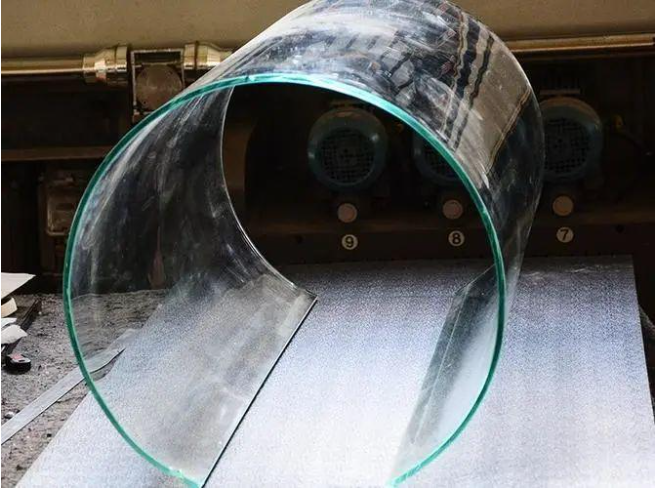
We wrap the filament in high-purity quartz glass. We do this because the heat is intense, and regular glass would just crack under the pressure. Depending on what you’re drying or curing, you can go with clear quartz for raw power or a coated version to change how the heat hits the surface. But a quick heads-up: high-wattage tubes in a small space create a massive amount of heat. If you’re pushing 575V lamps to the limit, make sure your housings and fans can keep up. Otherwise, you’re basically frying your own wiring.
Making it fit
Nobody wants to spend their weekend fighting with wiring. That’s why our tubes use standard industrial connectors—they should just slide right in. We map the electrical load to your current controller so everything plays nice together. The best part? You can ditch those bulky step-down transformers. They’re eyesores, they take up way too much room, and they waste power. You don’t need them.