

Stop the Chipping: Why We Preheat Glass Tubes
Ever tried cutting a glass tube only to have the edges turn into a jagged mess? It’s frustrating. You get those annoying “corner breakouts” or little chips that make the whole piece look amateur—or worse, make it unusable. The problem is simple: cold glass is just too brittle. When the blade hits, the stress doesn’t stay in the line; it wanders. That’s how you end up with fractures where you don’t want them.
The Magic of Infrared
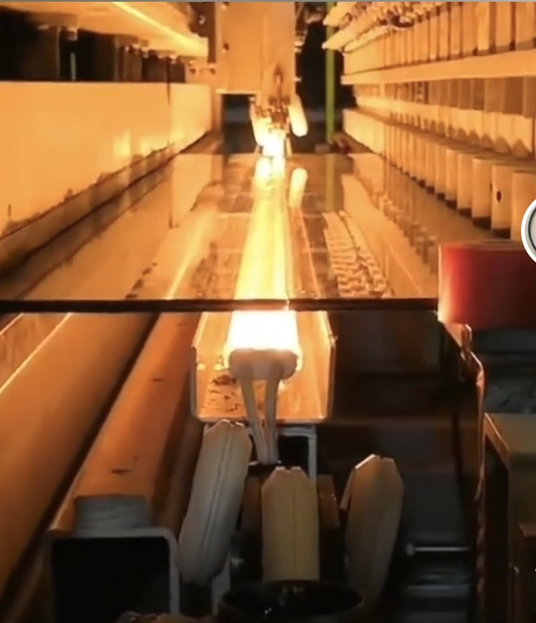
To fix this, we bring in short-wave infrared (IR) lamps. The goal is to get the glass surface warm right before the blade makes contact. Think of it as relaxing the material. Heating it up lowers the internal tension and makes the glass a bit more “forgiving.” Instead of the crack jumping all over the place, it follows the score line in a clean, straight shot. No jagged edges. No scrapped batches. Just a smooth cut.
Making It Work on the Line
You can’t just throw any heater at this. You need something that hits hard and fast. We usually go with halogen-based IR lamps because they reach the right temperature in seconds. But here is the trick: you aren’t trying to bake the whole tube. You’re just targeting the exact spot where the cut happens. You’ll have to play around with the wattage and how close the lamp sits to the glass. If you go too hot or get too close, you’ll actually create a heat shock that cracks the glass. It’s a balancing act between your power settings and how fast the line is moving.
The Real-World Headache
Now, this isn’t some “plug it in and forget it” solution. These lamps pull a lot of power and put out a ton of heat. If you aren’t careful, that heat will drift and warp your cutting jigs or fry your sensors. You’re going to need decent cooling fans and some solid shielding to keep the rest of your gear safe. And one last thing—watch your conveyor speed. If the line starts stuttering or slowing down, your temperature drifts. Once that happens, the chipping comes right back. Keep your speed steady, and your cuts will stay clean.