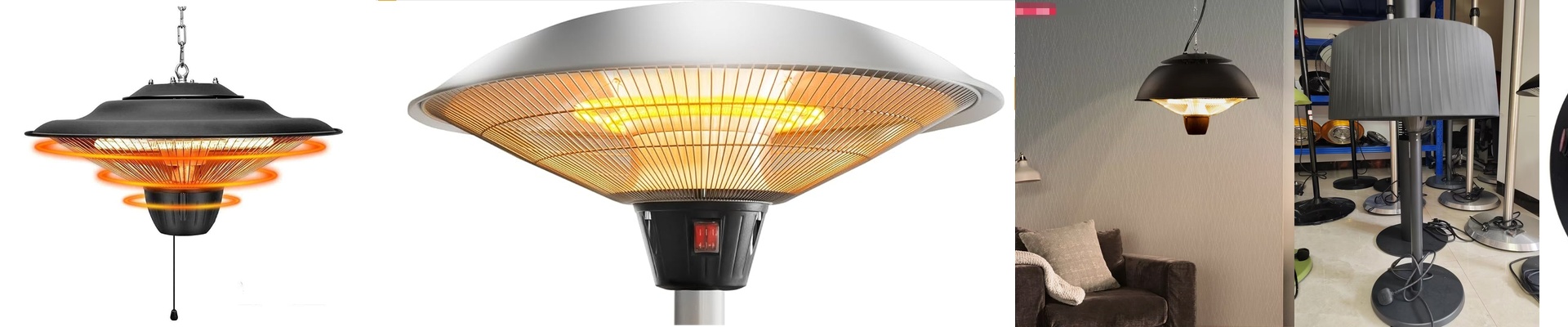
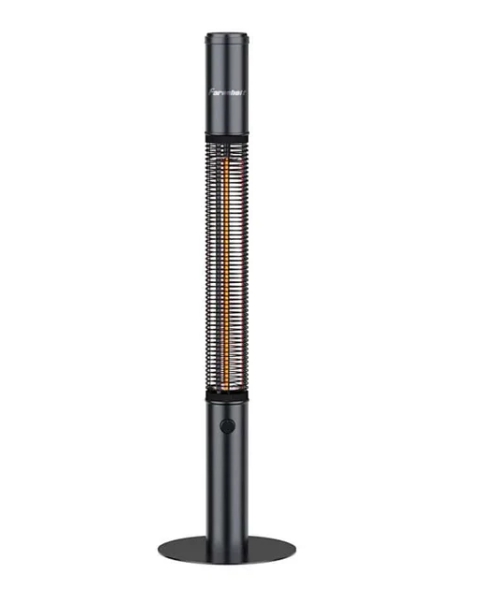
Getting Your Bathroom Heat Just Right
Here is the thing about infrared lamps: more power isn’t always better. I’ve seen way too many people just grab the highest wattage they can find, thinking it’ll be cozier. In reality, that usually just leads to a massive electric bill and those annoying “hot spots” where you feel like you’re being grilled in one spot while your toes are still freezing.
Size Matters
If you’re dealing with a tiny bathroom—anything under 4m²—keep it simple. A 400W to 600W lamp is plenty. In a tight space, the heat bounces off the walls almost instantly. If you throw a 1000W lamp in there, you’ll be sweating in minutes. For those larger bathrooms (around 6m² to 10m²), you can move up to 800W or 1200W. But keep an eye on where you mount the lamp. Heat fades fast as it travels. So, if you mount the lamp high up on the ceiling to make sure nobody accidentally touches it, you’ll need a bit more wattage to make sure that warmth actually reaches the floor.
Why Short-Wave?
I always suggest short-wave infrared for bathrooms. Why? Because it cuts right through the steam and moisture. You don’t have to wait for the air in the room to warm up. You flip the switch, and you feel that warmth on your skin immediately. It’s a great feeling on a cold morning. Just be careful where you point it. Aim for the “wet zone”—where you actually stand. If you aim a high-powered lamp directly at a plastic fixture or a mirror, you might actually warp the materials. Not a great look.
Watch Your Wiring
Faster warm-up times are great, but high wattage puts a real strain on your circuit breaker. If you’re planning to install a few 1200W units in one area, please check your wire gauge. Using thin wires for a heavy power load is a recipe for disaster. It leads to voltage drops and can burn out your filaments way too soon. Keep your load balanced. Your electrical system will thank you, and your lamps will actually last.