


Why Your Glass Batches Aren’t Coming Out the Same
Anyone who’s spent time annealing glass knows the frustration. You pull the first tray out and it’s flawless. Then you get to the end of the run and—boom—the last few pieces are warped or under-temped. It’s a total headache. Usually, the culprit is “batch instability.” In plain English? Your heating lamps aren’t playing fair. Some are pushing out more heat than others, and that unevenness travels straight into your glass.
The Secret to Better Consistency
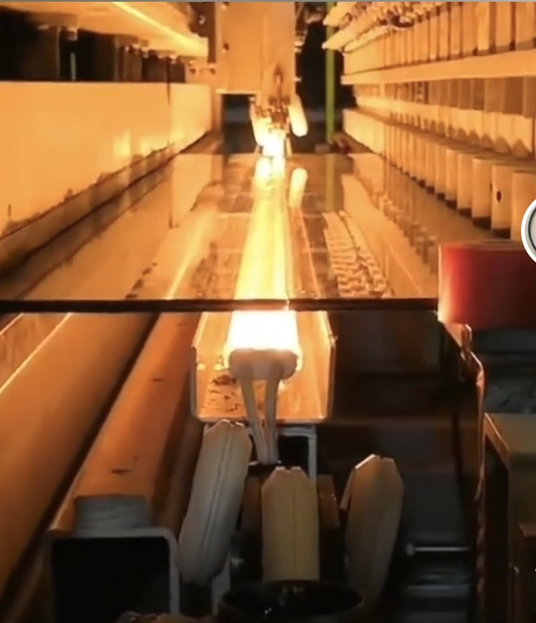
If you want every single piece to look the same, you have to get obsessive about your wattage. Think about it: if one lamp is running at 105% power and the one right next to it is at 95%, you’ve just created a hot spot. In the world of glass, a tiny temperature swing can mess up the refractive index or leave you with a structural weak point that’ll crack later. We solve this by focusing on linear power density. By keeping the filament perfectly centered and the quartz envelope uniform, the heat hits the glass in a flat, steady wave across the whole zone. No spikes, no dips.
Mind the Gap
It’s not just about the lamps, though. It’s about the space between the tube and the glass. That gap determines how the heat soaks in. Now, you might be tempted to just “crank the voltage” to fix a cold spot, but don’t do that. You’ll just fry the lamps that were already running hot. The trick is to match your power supply to the lamp’s nominal voltage exactly. We suggest using high-density shortwave lamps because they let you keep a larger safety distance while still hitting your target temp. It’s a much safer way to work without risking thermal shock.
The Catch
Here is the trade-off. These high-consistency lamps stop you from wasting material, but they are a bit pickier about electricity. You can’t just plug them into a fluctuating power grid and hope for the best. If your input voltage swings by even 5%, your precision profile is gone. You’ll need a stabilizer to keep things steady. It’s one extra step, but it’s the only way to make sure your hard work doesn’t end up in the scrap bin.