
Stop Choosing Between Clear Prints and Strong Glass
If you’ve ever tried to temper glass right after silk-screening, you know the headache. It’s a constant tug-of-war. You crank up the heat to make sure the glass is safe and strong, but then you look at your print and it’s a disaster. The ink is scorched or the pattern has bled into a blurry mess. But if you play it safe and keep the heat low? The glass doesn’t hit the stress levels it needs. You’re stuck. We fixed this by switching to quartz infrared heaters. The secret is in the wavelength.
Getting the heat right (without ruining the art)
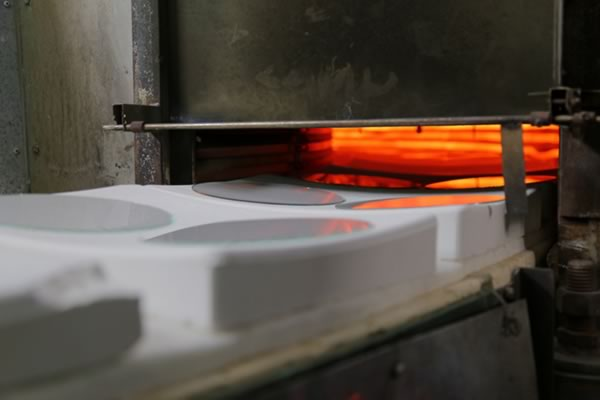
The trick is hitting the right surface temperature quickly without overshooting the mark. We use short-wave quartz lamps because they don’t just sit on the surface—they actually penetrate the glass. This means the bulk of the glass gets hot enough to temper before the ink on top has a chance to burn. Now, you obviously want to keep your line speed up, so you need a lot of power per centimeter. But you can’t just blast it. You have to be smart about where those lamps are positioned.
The nitty-gritty on the hardware
We build these quartz tubes to fit exactly into your existing oven. No guesswork. We use high-purity fused quartz because it lets the IR light through without any interference. Whether you’re running 220V or 380V, we tweak the filament winding. Why? Becausehot spots are the enemy. One tiny hot spot and you’ve got uneven tempering or a distorted pattern. It’s frustrating and it wastes material. One quick tip: high-wattage lamps put a lot of stress on your cooling blowers. If your airflow isn’t strong enough to pull heat away from the sockets, you’re going to fry your connectors. Keep an eye on that.
Making it work on your floor
These are designed as drop-in replacements for your standard arrays. It’s a simple swap. Once they’re in, you can play with the wattage and the distance from the glass to dial in your heat curve. When you get it right, the ink cures and the glass tempers in one single pass. It’s fast. Really fast. And it saves you a massive amount of cycle time. Just one thing: make sure your sensors are actually reading theglass surface, not just the air around it. That’s where the real magic happens.