Getting Rid of Cold Spots in Complex Glass
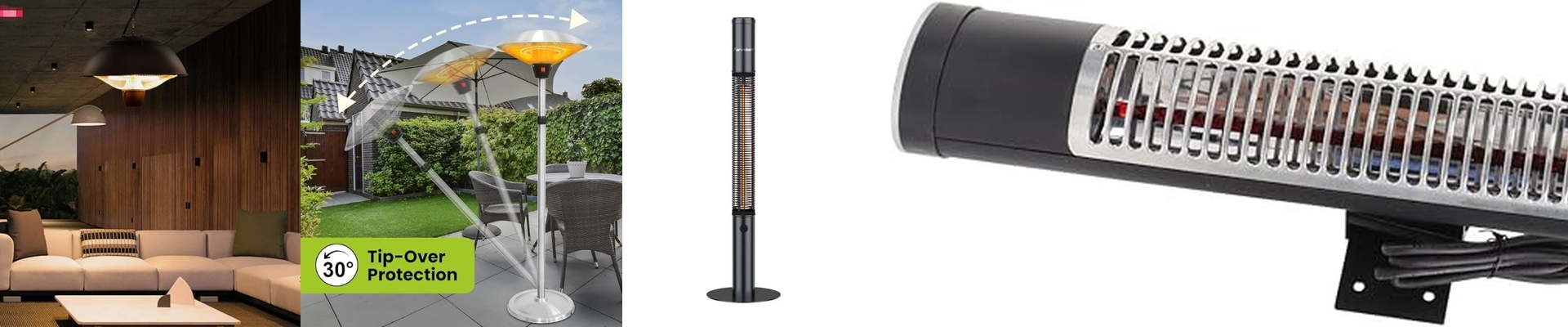
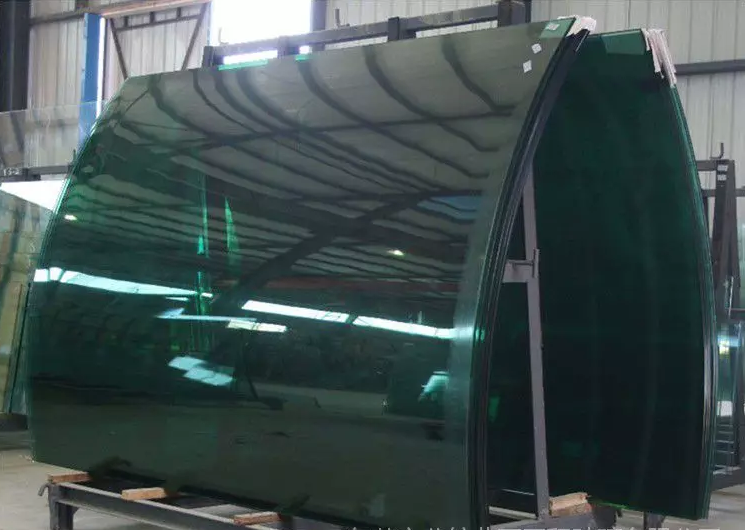
If you’ve ever worked with glass that has a weird shape—deep curves, tight necks, or odd recesses—you know the headache of thermal uniformity. In a regular annealing kiln, the heat just kind of floats around. It misses those tricky spots. You end up with “dead zones” where the glass stays too cool, creating internal stress. Then, out of nowhere, the piece cracks. It’s frustrating. We fix this by putting shortwave infrared (IR) lamps right into the furnace. How we actually get the heat in there Convection is fine for simple shapes, but IR is different. It travels in a straight line and actually sinks into the glass. To make sure we hit every single angle, we use a multi-axis array of lamps. We stick with shortwave halogen emitters because they pack a ton of power into a tiny space. This lets us cram them into tight spots around the glass. When those radiation patterns overlap, the cold spots simply disappear. The gear side of things Depending on your power grid and how fast you need to ramp up, the lamp choice changes. If you’re running a high-volume line, we usually go with high-wattage quartz tubes. We use R7s or SK15 connectors because nobody wants to spend an hour replacing a bulb—you just want to pop it in and get back to work. We also use coated quartz. It tweaks the light spectrum so the glass absorbs the energy instead of just bouncing it off the surface. You can hook these up to a PID controller and a pyrometer, so the power adjusts itself in real-time. The catch: Heat vs. Cooling Here is the thing: these lamps put out a massive amount of heat. It’s great for fast annealing, but it puts a lot of pressure on your furnace housing. If you pack too many lamps into a small space to kill those dead zones, the outer casing starts to soak up all that energy. You’ve got to make sure your cooling fans or water jackets can keep up. If you don’t, you’re looking at fried wiring and melted control boards. Not a fun day at the office.