Getting Wide-Format Low-E Glass Heating Right
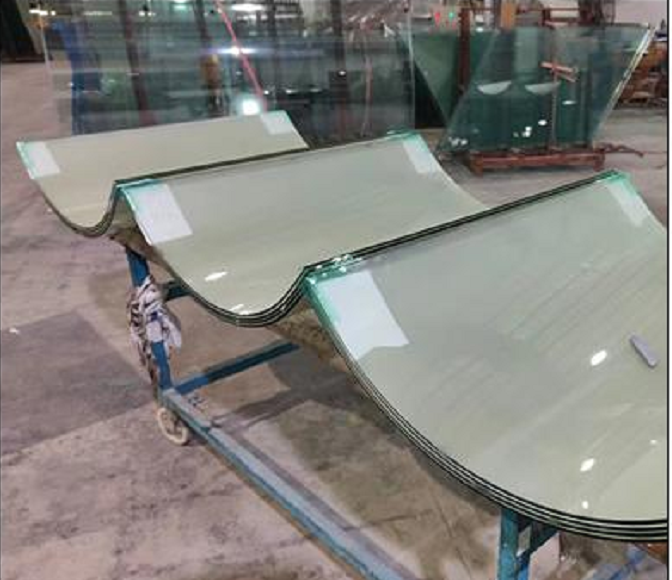
If you’re trying to preheat wide-format Low-E glass, you know the struggle. You need the heat to be perfectly even across the whole sheet. But once your production line hits that 3-meter mark, the standard lamps you buy off a shelf just stop working. They can’t keep up. That’s why we build custom infrared units. We design them specifically for these massive footprints so you don’t end up with those annoying cold spots that ruin a batch. The struggle with length and power Scaling a heating element up to 3 meters or more isn’t as simple as just making it longer. You start fighting voltage drops and thermal expansion. It’s a balancing act. We spend a lot of time figuring out the exact wattage per centimeter against the total length. Why? Because if the balance is off, the glass won’t hit that annealing temperature consistently. To stop the lamps from bowing under the heat, we use heavy-gauge quartz tubing. It’s tough. Just a heads-up: make sure your power supply is balanced across those long runs. If it isn’t, you’ll get uneven heating zones, and that’s a headache you don’t want. The nitty-gritty on materials We stick with high-purity quartz and specialized tungsten filaments. But here’s the real trick for Low-E glass: we often add specific coatings to the tubes. Low-E glass has that metallic oxide layer that likes to bounce energy right back. These coatings shift the emission spectrum so the heat actually sinks into the glass instead of reflecting away. And we’re over the flimsy clips. We use industrial-grade connectors and locking mechanisms. Your machines vibrate. A lot. These locks keep everything secure so you aren’t replacing lamps every other week. Real-world warnings These long-run elements are great for fast preheating, but they come with a catch. Quartz is strong, but it’s brittle. If your mounting frame isn’t rock-solid and it starts to sag, the tube will snap. Period. Double-check your support brackets. Make sure they’re spaced correctly to keep the physical stress off the quartz. Also, give the thing some room to breathe. Proper ventilation is a must, or your housing is going to overheat and cause problems.