
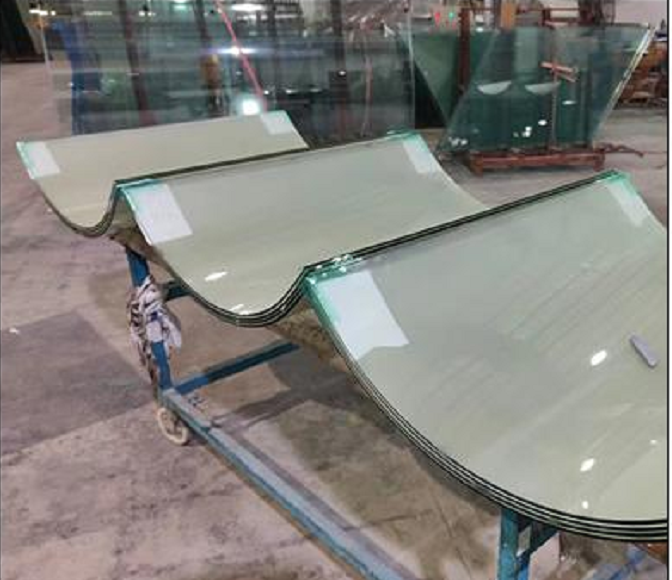
Why we heat glass before we cut it
If you’ve ever tried to score a piece of ultra-thick glass while it’s cold, you know the struggle. It’s brutal on the equipment. The cutting wheels take a massive beating, they chip way too fast, and you find yourself swapping them out constantly. It’s a headache and a waste of money. To fix this, we use high-penetration infrared (IR) heating lamps to soften the glass right where the cut needs to happen.
Getting the heat where it matters
Here’s the thing: most heat sources just sit on the surface. That doesn’t help when you’re dealing with a thick slab. We use short-wave infrared because it actually sinks deep into the glass instead of just bouncing off the top. By hitting that specific cutting line, the lamp warms up the glass from the inside. It relaxes the internal tension and makes the material a bit more “giving.” So, when the cutting wheel finally hits the glass, it isn’t fighting a brick wall. It glides through. The score is cleaner, and the whole process feels a lot smoother.
Better tools, less waste
When you aren’t forcing the wheel through cold, hard glass, your tools actually last. You stop seeing that rapid edge wear and tear that usually kills wheels during cold-cutting. And it’s not just about the tools. The break is more consistent. You get fewer of those annoying jagged edges, which means you aren’t throwing nearly as much scrap into the bin.
The tricky part
Now, this isn’t as simple as just plugging in a lamp. These IR lamps put out an intense amount of heat. If you just bolt them into a frame and call it a day, you’re going to have problems. You need a cooling system that can actually handle the heat buildup, or your fixtures will start to warp. Plus, you have to keep an eye on your conveyor speed. If the line slows down but the lamp stays at full blast, you risk overheating the glass. If that happens, the glass can crack in ways you didn’t intend. You’ve got to keep the power and the speed in sync.