Dealing with those annoying “dead zones” in glass annealing
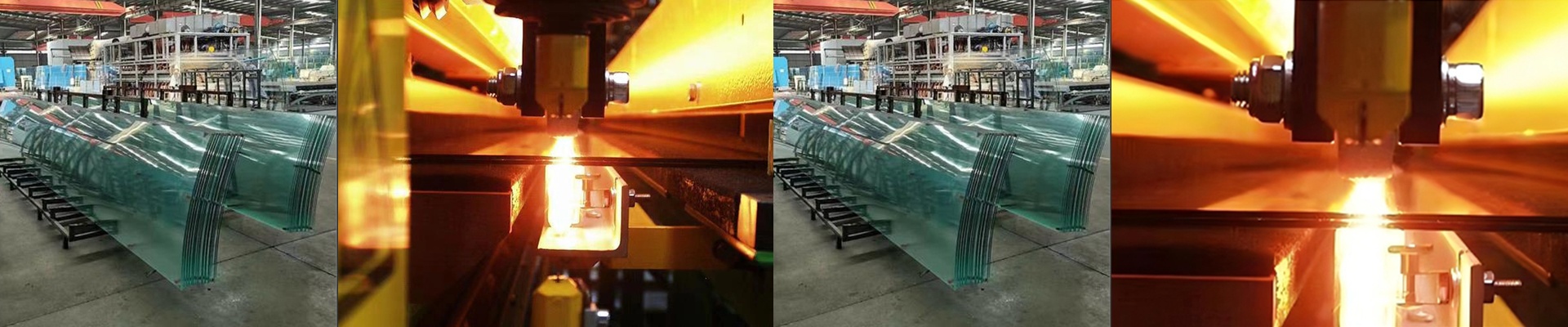
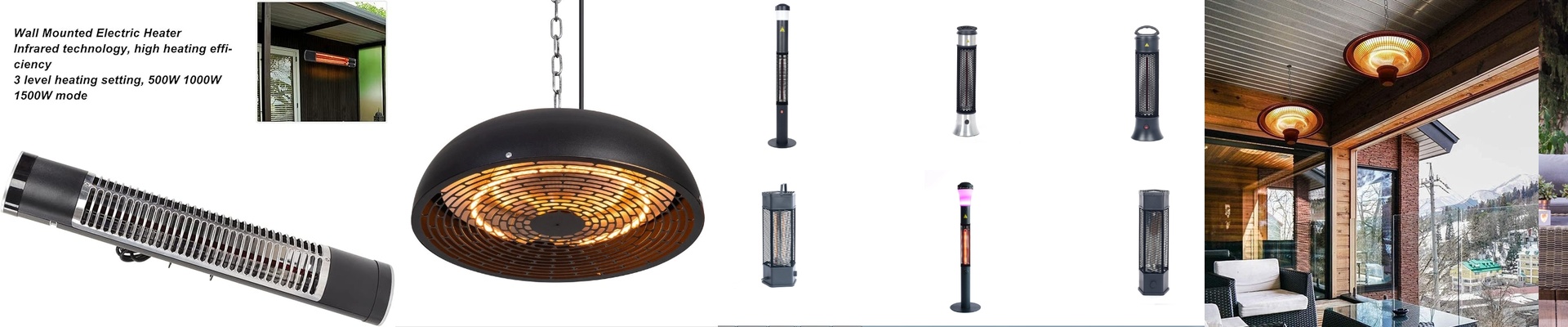
If you’ve ever worked with complex glass shapes, you know the frustration of a “dead zone.” It’s that one stubborn spot where the heat just won’t reach. You think the piece is fine, but then—crack—internal stress wins, and your hard work ends up as a pile of shards. We’ve found that short-wave infrared quartz lamps are the way to fix this. Instead of relying on hot air to drift around (which is slow and uneven), these lamps shoot radiation straight into the glass. It hits the core and the edges at the same time. No more guessing.
How to actually get full coverage
To get rid of that stress, you need a lot of power in a small space. We use high-wattage quartz tubes because they pack a serious punch. The trick is in the layout. If you wrap these lamps around the vessel on multiple axes, you essentially surround the glass in a blanket of heat. This is how you kill those cold spots that usually hide in the neck or the base of the piece.
The gear: Quartz and the trade-offs
We stick with high-purity fused quartz for the envelope. Why? Because it can handle being turned on and off rapidly without shattering. Plus, we use halogen-cycled tungsten filaments. This stops the lamps from turning black over time, so they stay bright for thousands of hours. On the practical side, you can use standard R7s or Sk15 connectors. It makes swapping them out a breeze. But here is the catch: more power means more heat. A lot of it. If you’re pushing for maximum density, don’t forget your cooling. If your fans or water jackets aren’t up to the task, you’re going to melt your sockets. And that’s a mess nobody wants to clean up.
Making it work for weird shapes
When you’re cramped for space, placement is everything. I usually recommend a staggered layout. When the IR waves overlap, they fill in those tiny gaps in the thermal profile. You get a nice, uniform soak across the whole piece. The result? Your cycle times drop, and you stop throwing so much scrap in the bin. It just works.