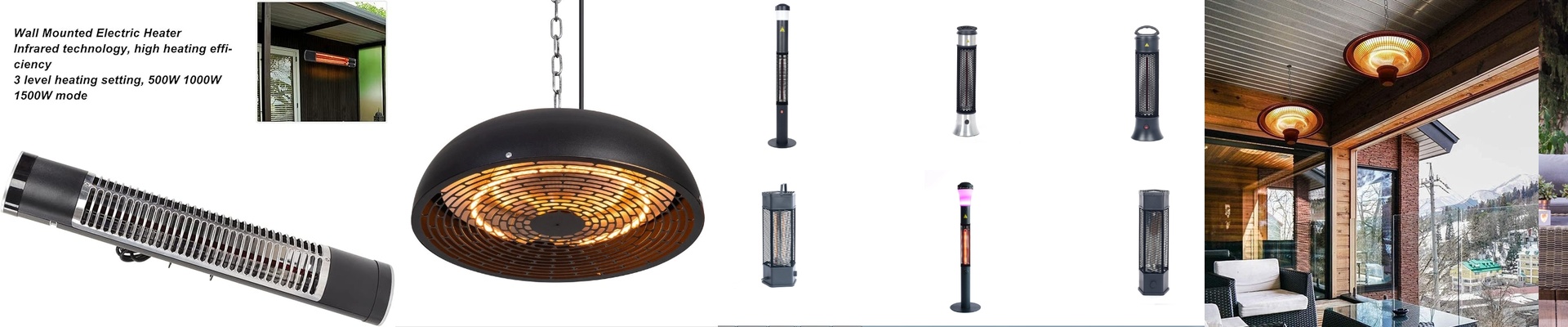
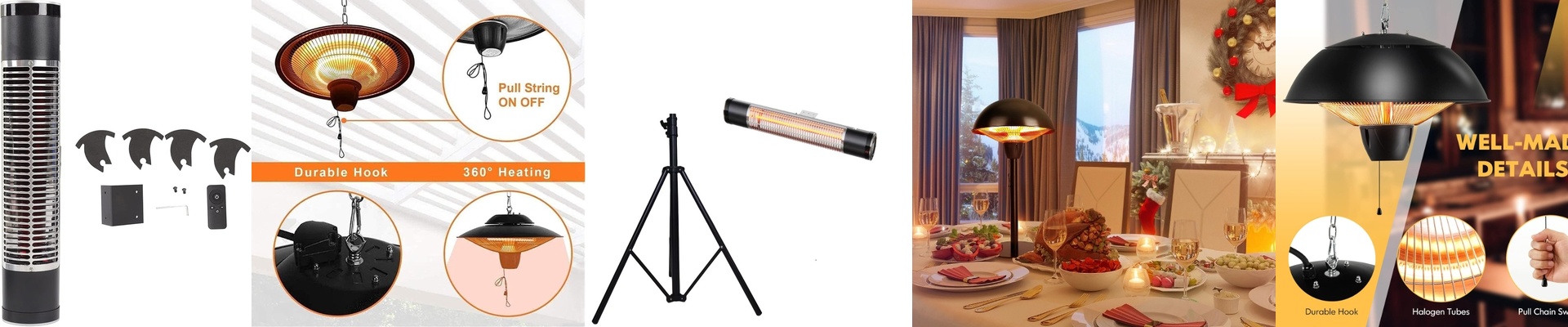
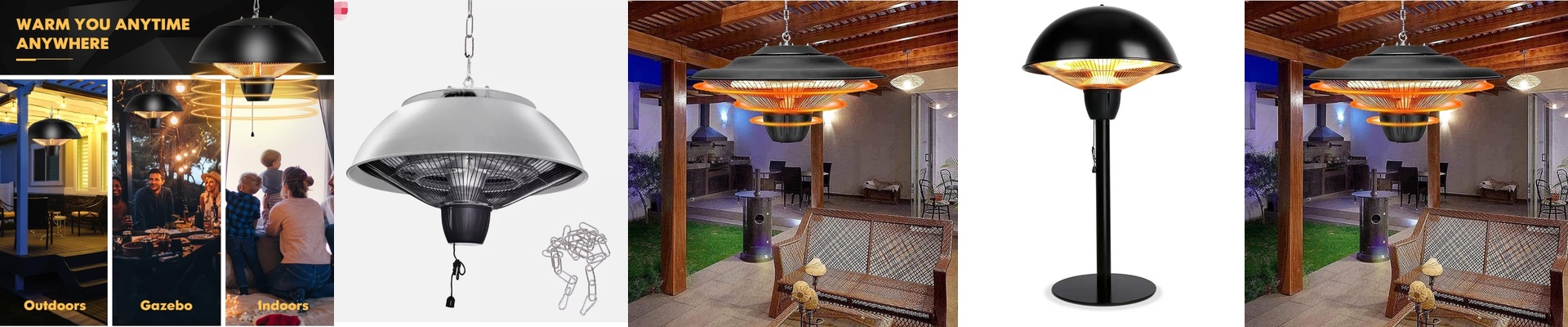
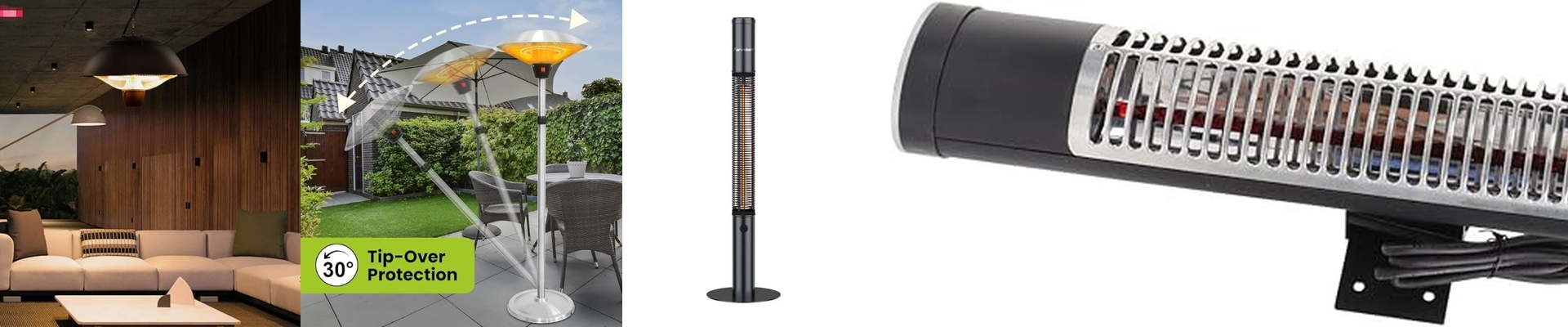
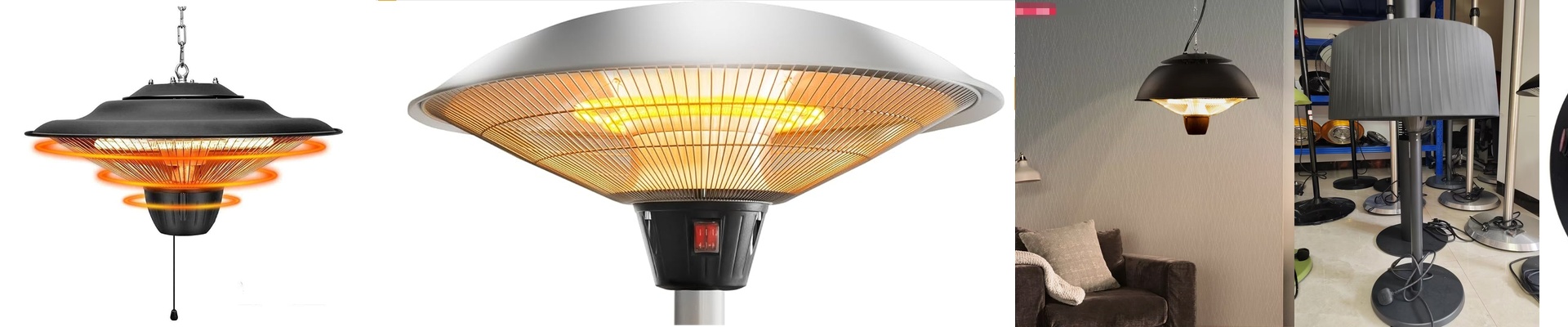

Cutting through ultra-thick glass isn’t as simple as just grabbing a sharp blade and hoping for the best. If you’ve tried it, you know the material fights back. There’s this internal tension in the glass that makes it stubborn. To get around that, we use shortwave infrared (IR) lamps and some custom aluminum reflectors. Here’s the thing about heat: standard lamps usually just bounce right off the surface of thick glass. It’s like trying to warm up a room with a flashlight. But shortwave IR is different. It actually sinks deep into the glass. Instead of heating up the whole slab—which would be a disaster—we focus that energy right on the cutting path. It softens the glass just enough so the cutting wheel doesn’t have to fight so hard. It just feels smoother. Now, an IR lamp on its own is a bit wasteful because it throws heat in every direction. We don’t want that. We use anodized aluminum reflectors to catch all that wasted energy and push it back toward the glass. We went with aluminum because it reflects heat beautifully and can take a real beating in a loud, messy shop. And let’s talk about your tools. Cutting cold, thick glass is brutal on your equipment. The wheel takes a hammering, it chips, and you’re constantly swapping them out. It’s a pain. But when you soften the path first? The wheel just glides. You’ll notice your tools actually last, which saves you a lot of headaches (and money). But you have to be careful. This kind of heat is intense. If you move the machine too slowly, you risk shocking the glass or causing it to expand unevenly. That’s how you get cracks. You’ve got to find that sweet spot where the lamp’s power matches your travel speed. Also, don’t forget your cooling fans. Those reflectors get incredibly hot, and if you don’t have the right airflow, you’ll end up melting your housing components. Trust me, you don’t want that.