
Getting the Heat Right for Silk-Screened Glass
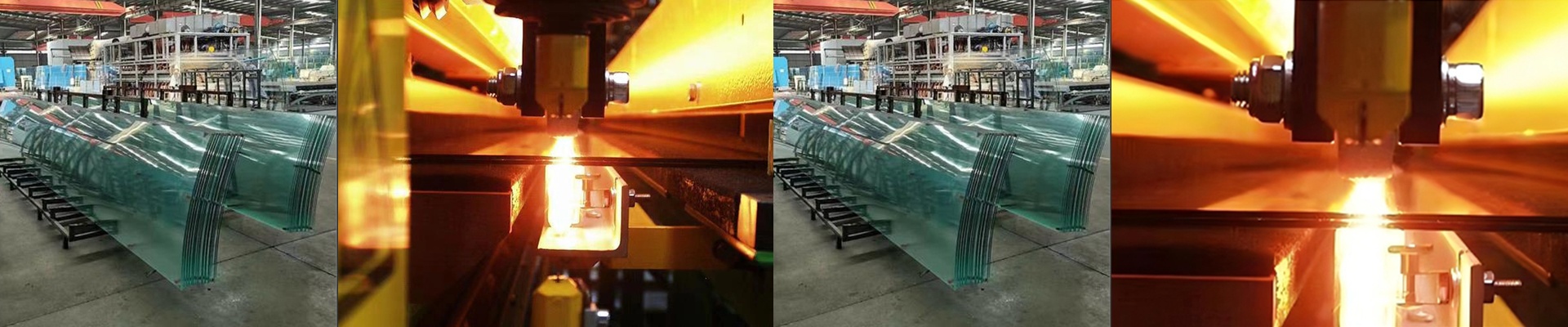
If you’re tempering glass right after silk-screening, you’re basically walking a tightrope. Hit it with too much heat too fast? Your ink bleeds or burns, and your clean patterns turn into a blurry mess. But if you’re too timid with the heat, the glass never actually tempers. You end up with brittle sheets that are a nightmare to work with. That’s where our long-life infrared heating tubes come in. They help you find that “sweet spot.”
It’s All About the Balance
To keep those lines sharp, you can’t just blast the glass. You need a steady, controlled ramp-up. We focus on wavelength stability because that’s what keeps the heat consistent. By tweaking the wattage and the length of the tubes, we can dial in exactly how much heat hits every square centimeter. Now, if you’re dealing with thick glass, you’ll want high-wattage tubes for that extra punch. Just be careful with the distance between the tube and the glass. Get too close, and you’ll get hot spots that ruin the piece. And here’s a tip: watch your power distribution. If your tubes have mismatched resistance, one side of your glass will be scorched while the other is barely warm. We build ours with tight tolerances so you get a uniform “curtain” of heat across the whole conveyor.
Built to Take a Beating
Running a line 24/7 is brutal. The ambient heat inside a tempering oven is enough to fry most equipment. That’s why we use high-purity quartz and reinforced filaments. We wanted something that wouldn’t just burn out the moment things got intense. The real win here is the downtime. Every time you have to stop the line to swap out a dead tube, you lose your thermal equilibrium. It takes forever to get back to temperature. Fewer replacements mean you just keep moving.
The Trade-off
Here’s the thing: better heat penetration usually means the surface gets hotter. If you don’t want your ink bubbling, you have to balance the IR intensity with your conveyor speed. If you speed up the line, the glass spends less time under the heat, so you’ll need more power from the tubes to make up for it. One last thing—if you go with a high-density array, check your cooling fans. Make sure they can handle the heat soak around the lamp housings. If they can’t, you’re going to fry your wiring, and that’s a headache nobody wants.