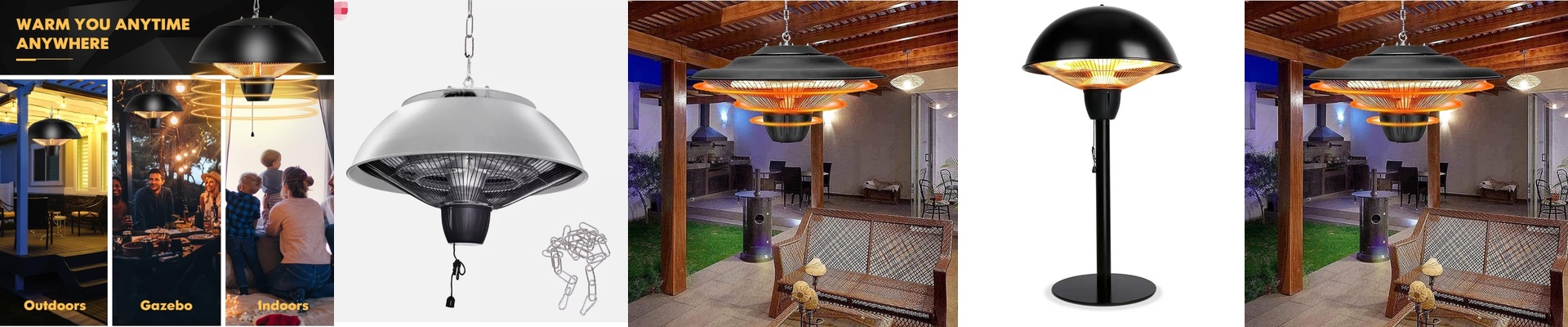
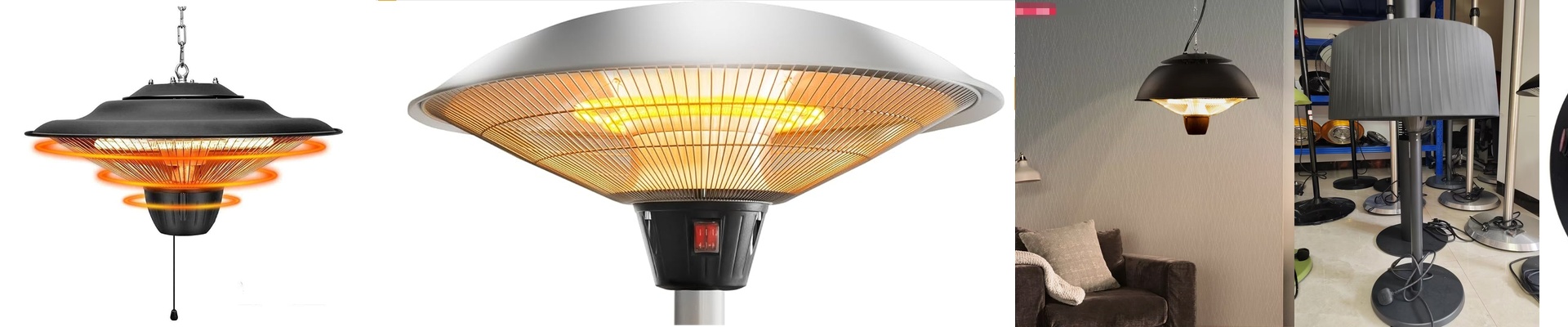
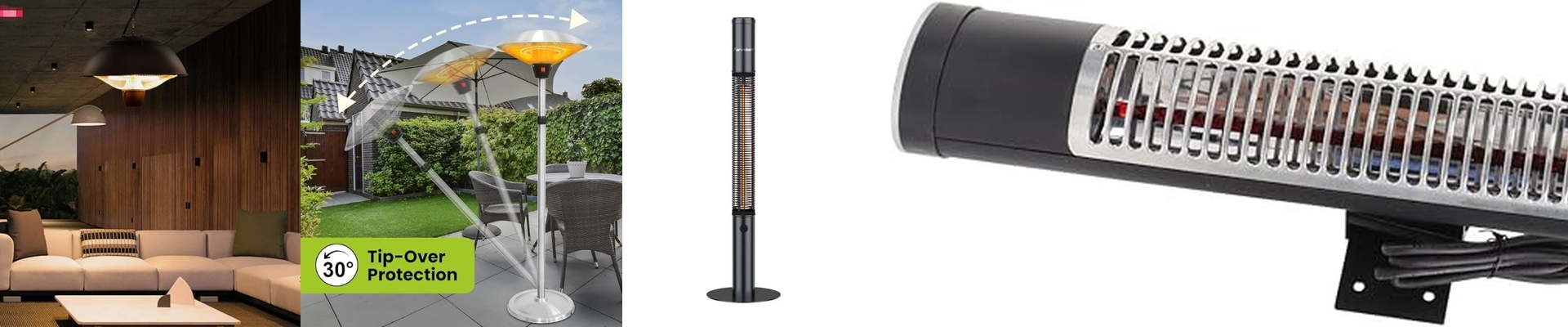
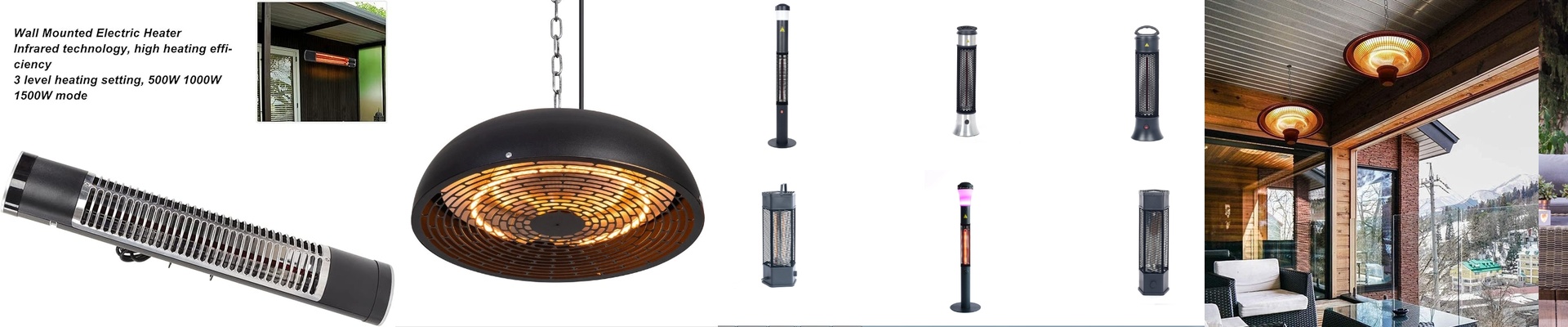
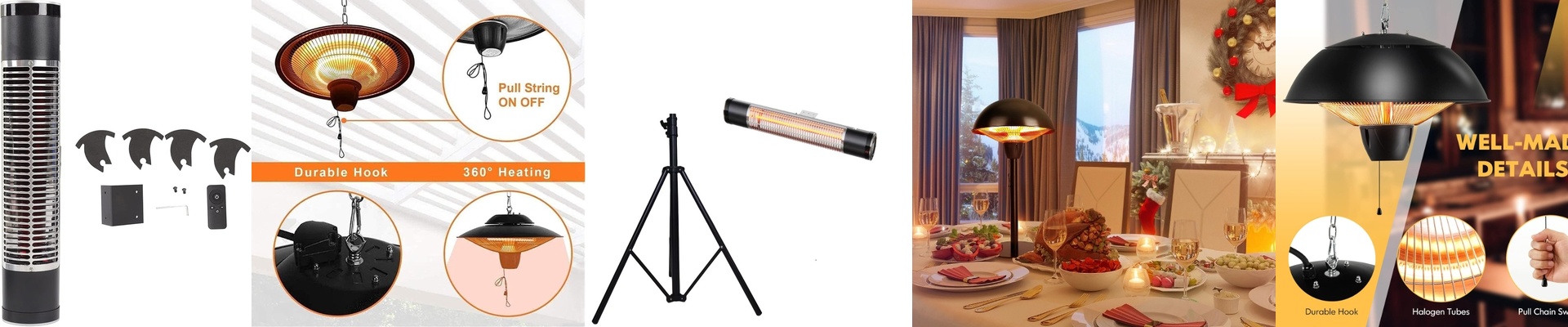
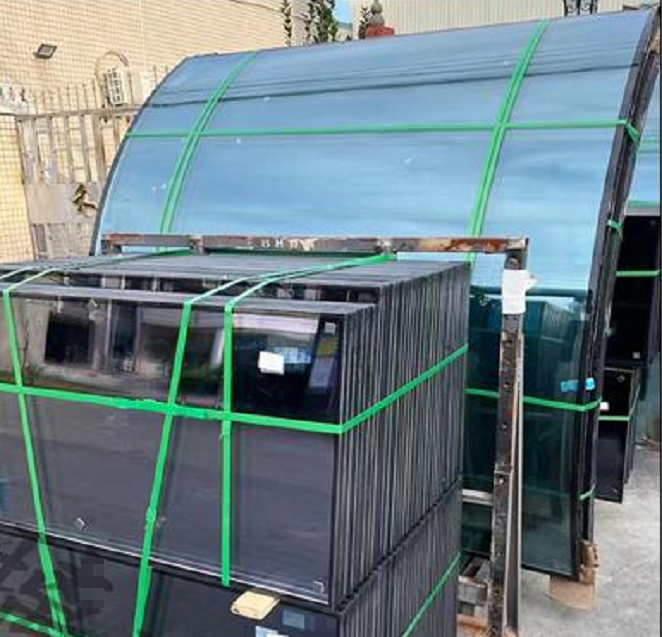
Out on the line, glass cutting falls apart the moment heat is late or uneven. A cold start stalls the whole cell. If the thermal profile wanders, you get micro-fractures that don’t show until you’re staring at rejects. We set up our infrared heaters to keep cutting moving—steady, repeatable, and inside tolerance. What actually matters under the hood We lean on short-wave infrared quartz emitters because they dump high-intensity energy straight onto the glass surface, fast. The response is near-instant, and you can hold tight control from cold start to operating temperature. The heater face lays down a uniform thermal field, which cuts down hot spots and keeps thermal stress in check during scoring. You can dial power in clear steps, match voltage to your plant, and swap modules without re-engineering the station. The quartz envelope takes thermal shock without complaining, and the footprint is compact enough to fit tight machine windows. Why it holds up in real glass work In glass processing, the same heater pulls double duty—bending preheat, tempering preheat, lamination curing, and coating drying. On the cutting side, the fast ramp gets the score line to temperature quickly, so the break is clean and the edge holds its strength. That shows up as fewer edge chips, less scrap, and more good parts per shift. Energy stays disciplined because the heater targets the surface instead of heating the whole frame. In practice, you see shorter cycle times and fewer stops tied to temperature drift. The stuff you learn the hard way Installation is straightforward, but alignment is where it lives or dies. The emitter has to be parallel to the glass, and the standoff needs to match your process window—otherwise, temperature spread will creep. Keep reflectors clean and watch emissivity shifts across glass types. These heaters run hot at close range, so shielding and interlocks need to be baked into the machine design. Plan on routine inspections of connections and mounting hardware to keep output stable through long shifts.