On an insulating glass line, the sealant stage is the pace setter. If the heat arrives late or isn’t even, you’ll trap solvents, get weak adhesion, and set yourself up for fogging later. With triple glazing, the mass is higher and tolerances tighter—so drying isn’t just another step. It’s the gate that keeps the whole line honest.
What matters, technically
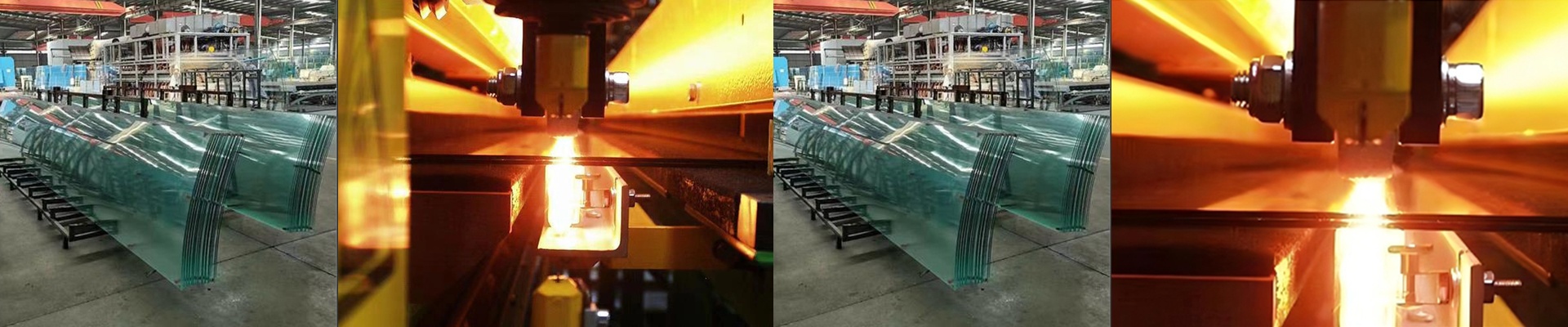
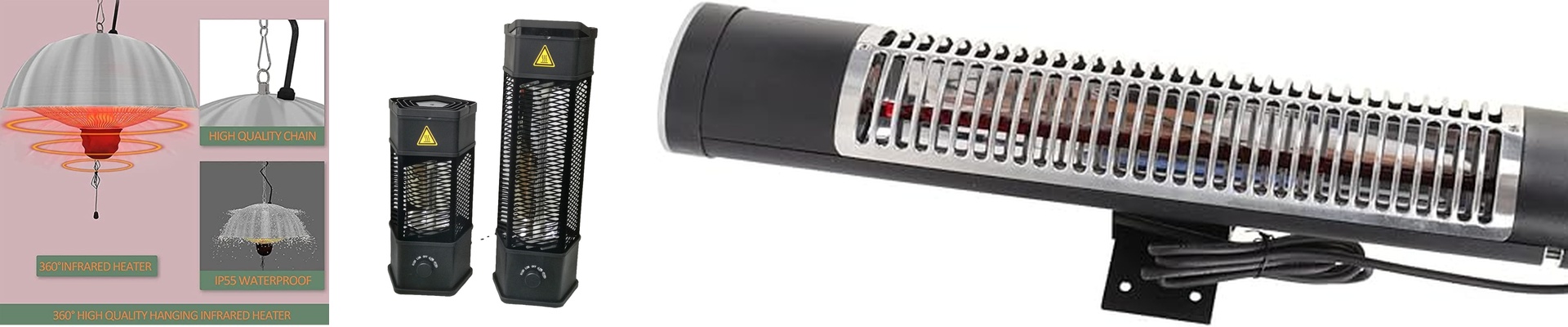
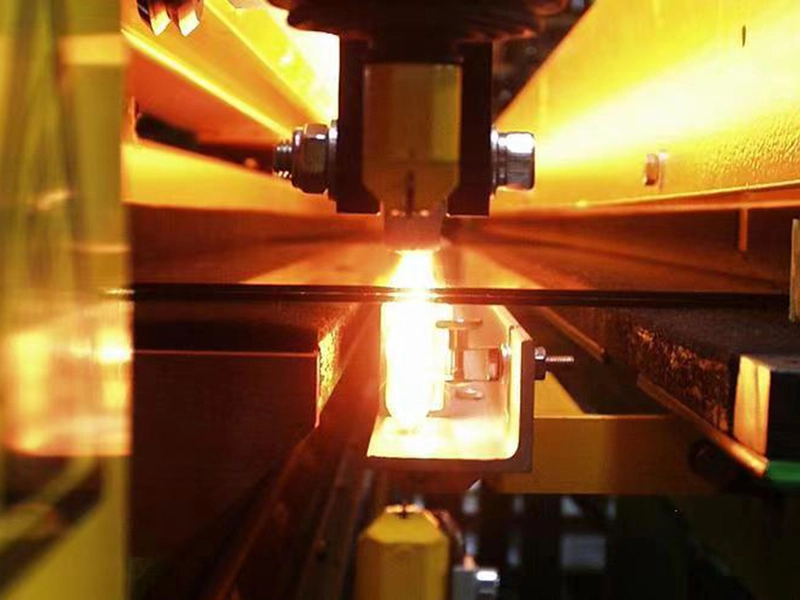
We built the triple glazing sealant dryer around short-wave infrared (NIR) emitters in a modular, low-profile housing that fits tight IG assembly cells. The emitters put energy straight into the sealant bead, not the frame, so the surface temperature climbs fast without overheating glass edges. Output is adjustable per station, so you can match different sealant chemistries and bead sizes. The thermal field stays uniform across the width—big deal when you’re trying to avoid thermal stress in coated or tempered lites. Control is straightforward: set the profile, the dryer holds it, and the process repeats with tight repeatability.
Why it works on the floor
In practice, you get a shorter dwell between sealing and secondary operations. That shrinks WIP and lifts throughput. Energy use drops, too, because NIR heats only what needs heating, and the emitters cycle predictably instead of running flat out. We’ve seen plants cut energy per triple IG unit by double digits while stabilizing cure depth. That means fewer rejects from incomplete cure, fewer callbacks, and less scrap. Maintenance is simple: modular emitters swap out quickly, so downtime stays low and maintenance labor stays predictable.
The details that matter
The dryer fits most IG production cells, but alignment and clearance are non-negotiable. The frame has to locate the unit precisely to keep the distance to the bead consistent—otherwise, you’ll see uneven cure and drift. It also needs stable power and clean cooling; dust and heat buildup will shorten emitter life. Plan the install around your layout, and size the dryer for your peak product mix. Once it’s set, it runs with minimal attention—but get the setup right up front.