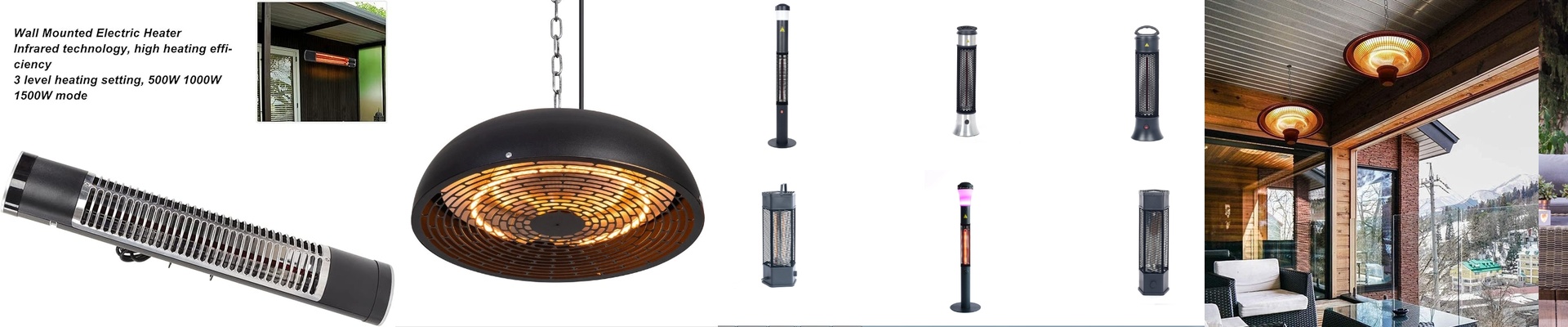
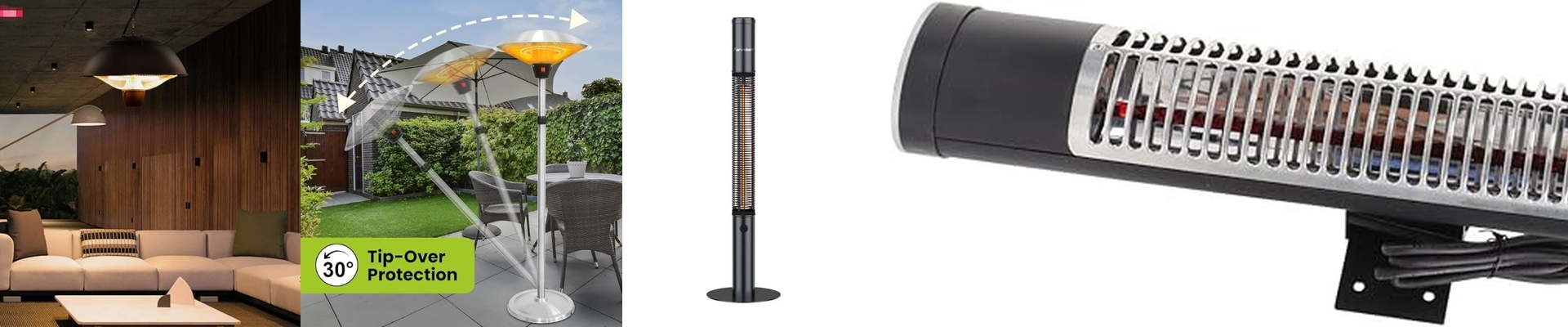
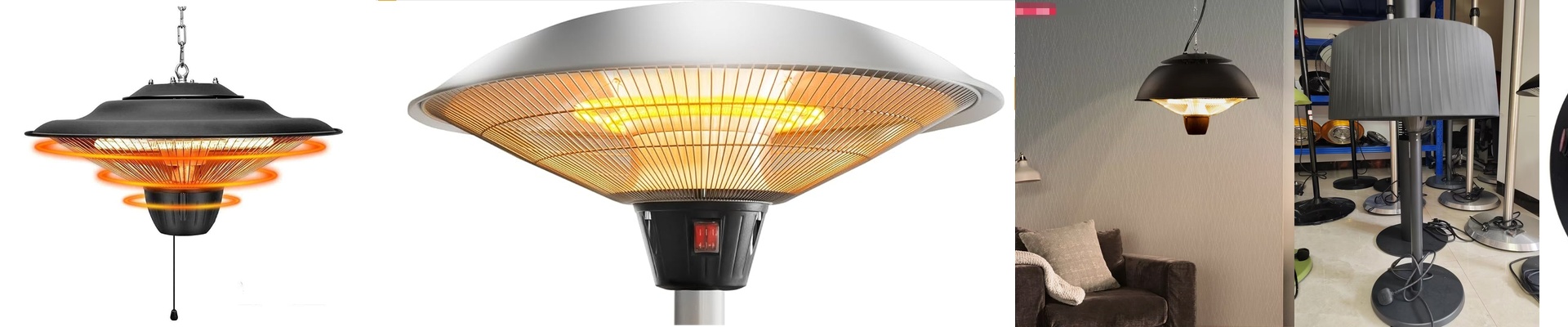
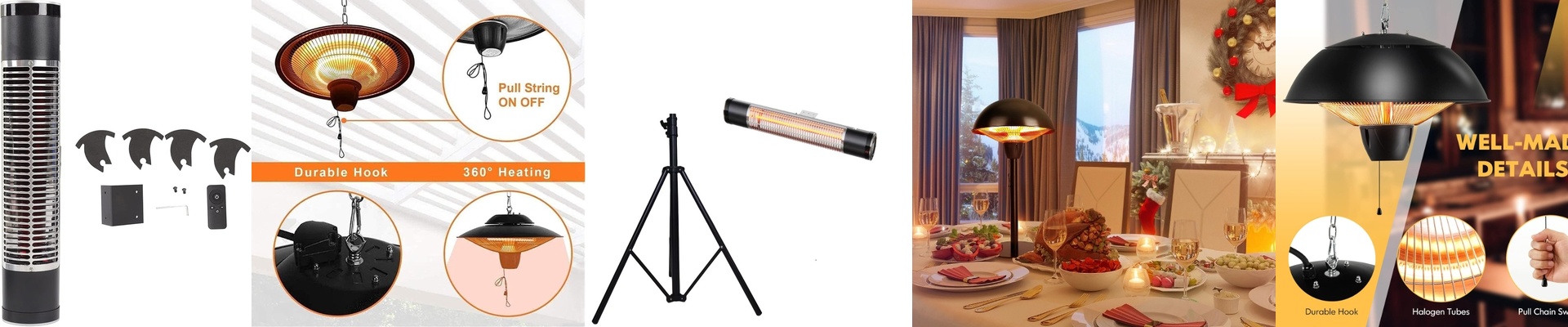
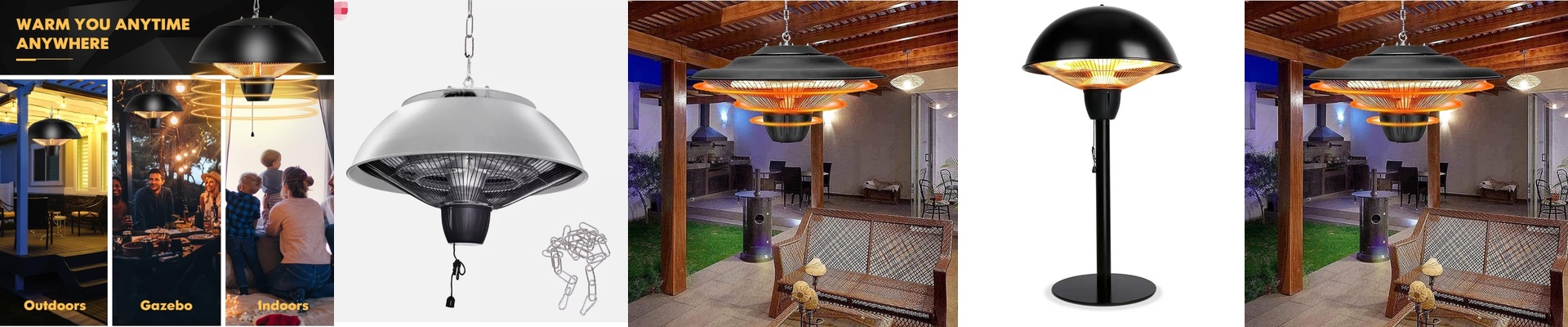

Stepping out of the shower onto a cold floor is one thing. Stepping into a bathroom that smells faintly of mildew is another. In there, warmth isn’t just comfort—it’s the first line of defense. An infrared bathroom heating lamp does more than chase the chill. It hits moisture with radiant energy, drying surfaces and air so mold struggles to get a foothold.
What matters, technically
These heaters run on short-wave quartz, sending infrared warmth straight to people and surfaces without overheating the air. Add a digital thermostat and the unit holds the temperature you set, avoiding the on-off cycling that wastes energy and leaves humidity hanging around. The payoff is steady warmth that helps surfaces dry faster. We see output stay stable over thousands of hours, with the lamp holding its heat profile even in humid conditions.
Why it works in a bathroom
Bathrooms trap moisture—no surprise there. Without a focused drying plan, that moisture settles on walls, grout, and fixtures, and mold follows. An infrared heater with a digital thermostat turns the room into a controlled drying zone. You feel the warmth immediately, and the environment becomes less hospitable to mold and mildew. That translates to fewer deep cleans, less scrubbing, and a bathroom that stays fresher longer. For families, it’s a small change that makes a big difference in daily comfort and indoor air quality.
The details that matter
Installation is where you earn it. The heater needs a dedicated electrical circuit, and placement should cover the main wet zones—near the shower and sink. Check local codes, and use a GFCI-protected outlet where required. The lamp is built for indoor, damp locations, but it’s not rated for direct water spray. Also, while the infrared heat helps reduce humidity, you’ll get the best results by pairing it with an exhaust fan or a dehumidifier. Set the thermostat to a comfortable level, not sauna levels, and let the steady, gentle warmth do the heavy lifting.